The most reliable full size pickup is not always the newest truck, the one with the biggest screen, or the model wearing the highest tow-rating sticker. I have watched perfectly good trucks get ruined by neglected transmission service, oversized tires, and owners who believe a clean Carfax replaces an inspection. After 20 years in my Silverthorne shop, I judge a truck by what is underneath it, how it was maintained, and whether the design has survived enough winters to expose its weak points.
For most American buyers, the practical candidates include the Ford F-150, Toyota Tundra, Chevrolet Silverado 1500, GMC Sierra 1500, Ram 1500, and Nissan Titan. Each has strong years and years I would approach with a flashlight, a scan tool, and plenty of questions. If you are shopping for the most reliable full size pickup, start with the powertrain and frame rather than the paint or touchscreen.
What reliability actually means on a full-size truck
Reliability is not the same as having zero repairs. A work truck with 180,000 miles can be more trustworthy than a polished, low-mileage truck that spent its life pulling a heavy trailer with overheated fluid. I want predictable engine compression, clean transmission engagement, a straight frame, working four-wheel drive, and service records that match the odometer.
The Ford F-150 offers a wide range of engines, so the year and powertrain matter more than the badge. The 5.0-liter V8 is familiar to independent shops, while the 2.7-liter EcoBoost can be efficient and strong when oil changes were not stretched. The Chevrolet Silverado and GMC Sierra share much of their mechanical architecture, but a specific engine, transmission, and maintenance history still decide the purchase. Ram 1500 trucks are often comfortable daily drivers, though air suspension and electronics can increase repair complexity.
Toyota's Tundra has a reputation earned by older V8 trucks, but newer twin-turbo models deserve a careful inspection and a complete service history. Nissan Titan trucks can be overlooked bargains when the frame and drivetrain are solid. That is why I will not name one universal winner. The most reliable full size pickup depends on the exact year, engine, mileage, and previous owner.

The inspection points I check first
I start underneath. Surface rust on a northern truck is normal; flaking scale around frame welds, spring mounts, brake lines, and suspension brackets is not. I tap suspicious areas with a small inspection hammer and look for fresh undercoating hiding repairs. A truck from Arizona can have cleaner metal but still suffer from dry-rotted bushings and neglected cooling systems. Geography changes the failure pattern, not the need to inspect.
Next comes the cold start. Ask the seller not to warm the truck before you arrive. A cold engine reveals rattles, delayed oil pressure, smoking exhaust, and a weak battery. During the test drive, the transmission should engage reverse and drive without a hard pause or bang. On a 4WD model, I test high range and low range on a loose surface, then listen for clicking from the front axle during a tight turn.
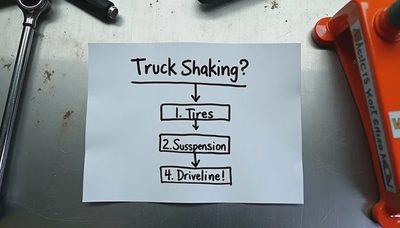
I also inspect the tires. A 35-inch tire on a stock suspension is not automatically a deal breaker, but it tells me to examine ball joints, wheel bearings, tie rods, steering geometry, and axle shafts. Uneven wear across the tread can expose alignment trouble that a seller's tire shine will not. The bolt doesn't lie.
Engines, transmissions, and expensive warning signs
A reliable engine still needs cooling capacity and correct maintenance. Check the oil level and smell, but do not stop there. Look for coolant staining near hose connections, oil seepage around the front cover, and evidence that the engine has been repeatedly overheated. A cooling-system repair might cost $300 to $900; a neglected overheating problem can become a $4,000 to $10,000 engine decision.
Transmission behavior matters just as much. A smooth automatic shift at light throttle does not guarantee health. Try moderate acceleration, a hill, and a low-speed parking maneuver. Shuddering under light throttle, flaring between gears, or a delayed reverse engagement deserves a professional diagnosis. Depending on the truck, a fluid service could be under $300, while a rebuild or replacement can reach $4,000 to $8,000.
Diesel pickups can be excellent tools, but they are not cheap substitutes for gasoline trucks. Diesel emissions equipment, high-pressure fuel systems, turbochargers, and diesel exhaust fluid systems add repair costs. If you only tow a camper a few weekends each summer, a well-maintained gasoline V8 or turbocharged gas engine may make better financial sense than an older diesel with 150,000 hard miles.
I checked.
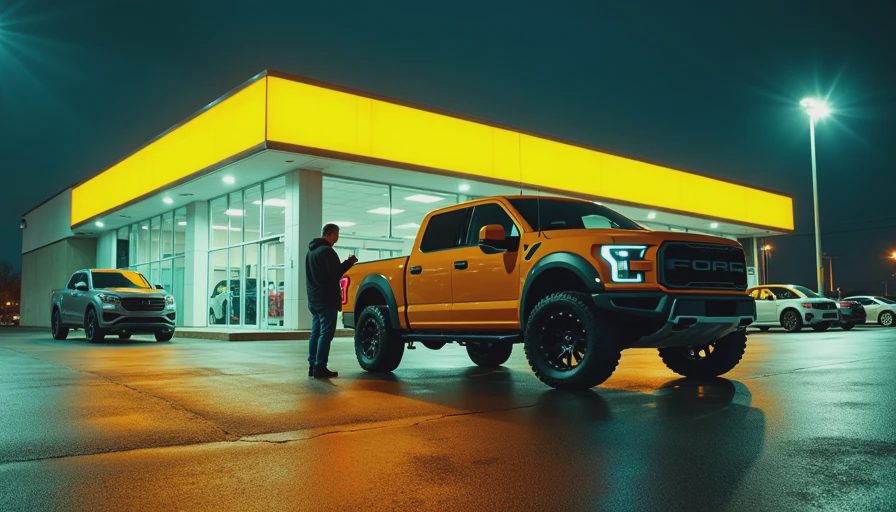
The truck that looked like the most reliable full size pickup in one customer's driveway had a quiet transmission and a spotless interior. The scan tool showed repeated transmission-temperature warnings, and the rear differential fluid contained metallic paste. The seller had polished the symptom, not repaired the cause.
Which model years deserve extra homework
Do not shop by model name alone. Manufacturers change engines, transmissions, infotainment systems, suspension parts, and electrical architecture during redesigns. The first year of a major generation can offer a good truck, but it gives a buyer fewer years of field history. I usually prefer a later example in a generation when the owner can show regular fluid services and completed recalls.
For an F-150, compare the exact EcoBoost or V8 configuration and verify service intervals. For a Silverado or Sierra, identify the engine and transmission combination instead of relying on the trim badge. With a Tundra, separate the long-running V8 reputation from the newer twin-turbo generation and inspect any truck carefully for documented maintenance. For Ram, check the condition of the suspension, electronics, and cooling system, not just the smooth ride.
Online owner forums are useful when you use them correctly. Search for recurring symptoms, repair procedures, and parts costs, but do not treat the loudest complaint as proof that every truck fails. I trust service records, scan data, fluid condition, and physical measurements more than a hundred dramatic posts.
Ownership cost is part of reliability
A truck that rarely breaks but costs $1,100 a year to insure, uses premium fuel, and needs $1,500 tires every 30,000 miles may not fit your budget. Before buying, price a full set of all-terrain tires, brake rotors and pads, an alignment, a battery, and a transmission service. A typical full-size brake job can run roughly $500 to $1,200 per axle depending on parts and labor. Those costs arrive whether the truck is a Ford, Toyota, Chevrolet, GMC, Ram, or Nissan.
Get an insurance quote using the vehicle identification number before handing over a deposit. Trim level, repair costs, driver history, location, and coverage choices affect the premium. Comprehensive and collision coverage can make sense on a financed truck, while liability limits should reflect the financial damage a serious crash could cause. A lower purchase price does not automatically create lower ownership cost.
I also leave room in the budget for a baseline service. On a used truck, that can include engine oil, differential fluid, transfer-case fluid, filters, coolant testing, brake inspection, and a four-wheel alignment. Set aside $1,000 to $2,000 after purchase. Spending it early is cheaper than discovering the previous owner considered maintenance an optional accessory.
My shop-floor buying checklist
The most reliable full size pickup is the one that passes a repeatable inspection. Start with a cold start and a scan for stored and pending trouble codes. Confirm that the dashboard warning lights illuminate before starting and go out afterward. Inspect the frame, steering, brakes, driveshafts, axle seals, and suspension with the truck safely raised.
Drive it for at least 20 minutes. Include city traffic, highway speed, braking, a hill, and tight turns. Feel for vibration through the seat and steering wheel, then listen after the test drive for clicking, hissing, or cooling fans that run excessively. Verify the tow package, trailer-brake wiring, spare tire, jack, 4WD controls, and heated seats rather than assuming the listing is accurate.
Finally, pay for an independent pre-purchase inspection. A $150 to $300 inspection can identify a leaking rack, bent frame, worn wheel bearing, or transmission problem before you own it. I have never regretted inspecting a truck. I have regretted trusting a shiny one.
If you need a dependable commuter and occasional tow rig, prioritize service history and stock condition over maximum horsepower. If you haul daily, spend more time checking cooling, brakes, axle ratios, and trailer equipment. The most reliable full size pickup is not a trophy parked under bright lights. It is the truck that starts cold, shifts cleanly, tracks straight, and has paperwork to prove what has been done. The bolt doesn't lie.

No letters yet — pray write the first.