A jeep grand cherokee hemi can be a terrific used SUV, but it is not a magic carpet with four-wheel drive. The 5.7-liter V8 has strong low-end torque, a good exhaust note, and enough muscle to pull a trailer without working itself into a sweat. It also has known inspection points that separate a solid truck from a polished driveway problem. I have worked on enough of these to know that the badge and the seller's confidence mean very little. The bolt doesn't lie.
Which Jeep Grand Cherokee Hemi years deserve attention
The 5.7-liter Hemi appeared in several Grand Cherokee generations, and condition matters more than a simple good-year or bad-year list. The WK generation, sold roughly from 2005 through 2010, is mechanically straightforward but now old enough that rust, electrical repairs, worn suspension, and neglected cooling systems matter more than the engine's reputation. A 2008 with complete records can be a better purchase than a 2012 that spent its life idling with a low oil level.
The WK2 generation began for the 2011 model year and brought a more refined cabin, independent suspension, and additional electronics. Early WK2 trucks deserve careful inspection of oil leaks, cooling components, drive shafts, and transmission behavior. Later examples often feel tighter, but a newer build is not automatically a better buy. A neglected 2015 can empty your wallet faster than a maintained 2011.
When someone asks me about a jeep grand cherokee hemi, I start with the service history, not the odometer. Look for oil changes at reasonable intervals, cooling-system work, spark plug replacement, and records for differential or transfer-case service if the vehicle has four-wheel drive.
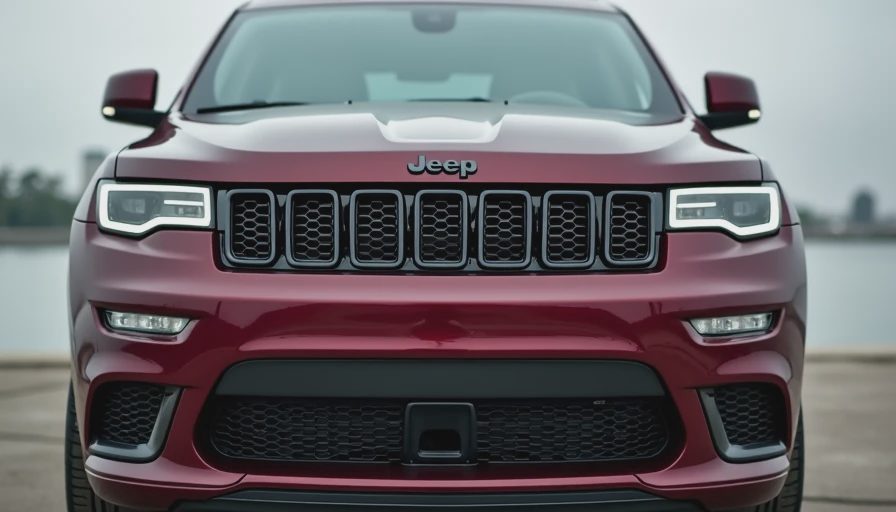
The inspection points that actually matter
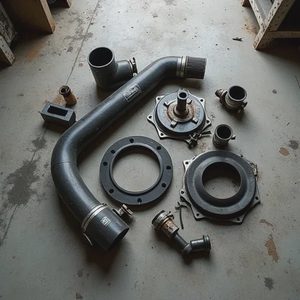
Start cold. Do not let the seller warm the SUV before you arrive. A cold engine tells you more than a shiny engine bay. Listen for a sharp ticking noise from the exhaust manifold area, especially during the first minute after startup. Some ticking comes from an exhaust leak or broken manifold hardware, and access can be unpleasant. A repair that sounds like a small gasket job can become several hours of seized bolts and broken studs.
Check the oil level yourself and inspect the oil cap for heavy sludge. A little staining is normal on an older vehicle; thick tar-like buildup suggests poor maintenance. Look under the front timing-cover area and around the oil pan for fresh wetness. A few drops do not automatically kill the deal, but they do change the number you should offer.
Watch the temperature gauge during a drive long enough to reach operating temperature. The needle should settle and stay there. Look for coolant crust around the radiator, thermostat housing, and hose connections. A jeep grand cherokee hemi working hard in mountain traffic needs a healthy cooling system, not an old radiator held together by optimism.
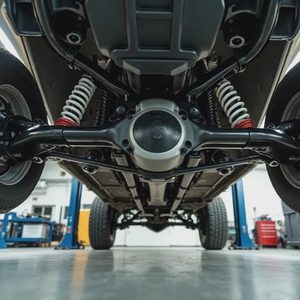
On the road, test every gear at light and moderate throttle. The automatic transmission should engage reverse and drive without a long pause or hard slam. Try the four-wheel-drive modes only where conditions and the owner's manual allow it. Listen for clunks during low-speed turns, then inspect the tires for uneven wear. That wear can point toward alignment, ball-joint, or suspension trouble rather than a simple tire problem.
Fuel, repairs, and the real ownership math
The Hemi is powerful because it burns fuel. A driver who averages mostly city trips should budget for noticeably higher fuel spending than with a V6 Grand Cherokee. The exact number depends on tires, gearing, traffic, weather, and how often the throttle gets used, but expecting economy-car mileage is a fast way to resent the purchase.
Common repair costs also arrive in different sizes. Spark plugs and routine fluids are manageable maintenance. Exhaust manifold repairs, cooling-system work, suspension components, and electronic modules can run from several hundred dollars into the low thousands, depending on parts and labor. Four-wheel-drive models add transfer-case, differential, and front driveline components that need their own service.
I once saw a buyer focus on a $1,500 price difference between two SUVs while ignoring a cracked tire, a leaking rear axle, and a transmission that shifted hard when warm. The cheaper truck needed more than the difference before the first snowstorm. Coffee beans are cheaper when you buy the good bag once instead of buying three bad bags to fix the mistake. Used SUVs work the same way.
A jeep grand cherokee hemi can still make financial sense if the purchase price leaves room for a baseline service. Set aside roughly $1,000 to $2,500 after purchase for fluids, filters, belts, tires, brakes, and the surprise item the inspection finds. That is not wasted money; it is the cost of learning what the previous owner postponed.
Insurance and equipment choices
Before buying, get an insurance quote using the exact vehicle identification number. Rates depend on the driver's record, location, coverage limits, deductible, claims history, and the SUV's value. A higher deductible can lower the premium, but only choose one you can pay after a collision. If the Grand Cherokee is financed, the lender will generally require comprehensive and collision coverage, not just liability insurance.
Tell the insurer about modifications that materially change the vehicle, such as oversized tires, suspension lifts, aftermarket bumpers, or expensive audio equipment. Standard policies do not always treat added equipment the same way, and an undisclosed modification can complicate a claim. Compare quotes from several carriers, including companies such as GEICO, Progressive, and State Farm, while comparing the same liability limits and deductibles. The cheapest number is not a useful comparison if it removes important protection.
For a jeep grand cherokee hemi used as a daily driver, I prefer a stock or lightly modified example with factory wheels, matching tires, and no mystery wiring. A stock truck is easier to diagnose, easier to insure, and easier to sell. The internet will tell you that every problem is solved by a lift, a tune, or a louder exhaust. The shop bill usually says otherwise.
My driveway checklist before money changes hands
Bring a flashlight, tire-pressure gauge, paper towel, and an inexpensive scan tool that can read stored trouble codes. Walk around the vehicle before starting it. Check that all tires match in size and have even tread. Look beneath the engine and transmission for fresh drips. Open the hood and inspect the battery terminals, coolant level, belt condition, and evidence of recent cleaning that may be hiding leaks.
During the test drive, operate the air conditioning, heat, windows, locks, backup camera, warning lights, and every four-wheel-drive control. Drive over a rough patch slowly and listen for sharp knocks. Brake firmly in a safe area and note any pulsing, pulling, or steering shake. After the drive, smell for hot oil or coolant and look again underneath.
Pay for a pre-purchase inspection from a shop that understands Chrysler and Jeep drivetrains. Ask for written findings and photographs, not a casual thumbs-up. If the seller will not allow an independent inspection, walk away. There will be another Hemi, and the next one may already have the bolts you need.
The best jeep grand cherokee hemi is not the one with the cleanest detail job or the loudest exhaust. It is the one with cold-start evidence, consistent service records, a straight test drive, and enough purchase-room left for repairs. Check the oil, check the temperature, check the underside, and price the insurance before signing. I checked.
The bolt doesn't lie.

No letters yet — pray write the first.