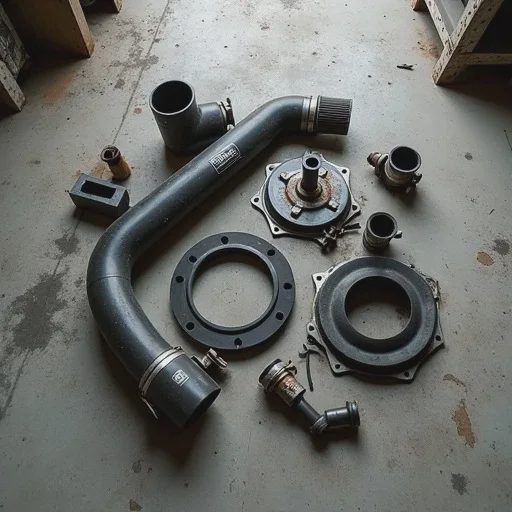
My shop records don't lie. In the last five years, I've removed more of certain modifications than I've installed. Sometimes it's because the part failed. Sometimes it's because the customer realized they didn't need it. And sometimes it's because the internet convinced them to buy something they couldn't actually use.
Here are the five modifications I've unbolted, cut off, or peeled away from more trucks than I've ever put on.
1. Budget Lift Kits
This is the one that breaks my heart. A customer comes in with a lifted truck they bought used. The lift kit is cheap—maybe a spacer lift or a set of add-a-leaves. The truck sits high. Looks aggressive. But the ride is terrible, the steering is vague, and the tires are wearing unevenly.
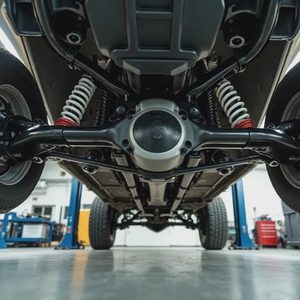
The problem isn't the lift concept. It's the execution. A budget lift kit raises the truck without correcting the geometry. The control arm angles are wrong. The track bar is out of alignment. The shocks are too short or too long. Everything is working harder than it should.
What I See in the Shop
I've pulled more budget lift kits off trucks than I can count. The spacers crack. The add-a-leaves sag. The shocks blow out in 20,000 miles. By the time the customer comes to me, they've spent more on replacement parts than a proper lift kit would have cost upfront.
How to do it right: If you want to lift your truck, budget for the whole system. Control arms. Track bar. Correct shocks. Extended brake lines. If you can't afford all of it, save until you can. A half-done lift is worse than no lift at all.
2. Steering Stabilizers as Death Wobble Fixes
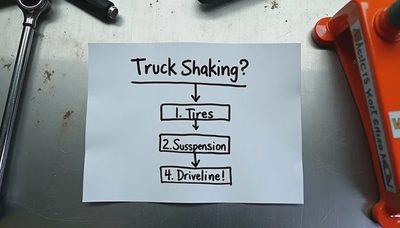
I've already written about this one, but it bears repeating. I've removed more steering stabilizers from death wobble trucks than I've ever installed as a new part.
The stabilizer is a damper. It does not fix the oscillation. It hides it. And when the underlying problem gets worse—which it always does—the stabilizer can't keep up.
What I see in the shop: A customer with two or three stabilizers bolted to the front axle. One factory unit, plus two aftermarket "heavy-duty" versions they added as the wobble got worse. They're throwing money at the symptom instead of the cause.
How to do it right: Fix the suspension first. Then put a stabilizer on if you want. But it's the last thing you install, not the first.
3. Snorkels on Street Trucks
I've installed exactly two snorkels in 20 years. Both were on overland rigs that actually crossed water crossings regularly. I've removed at least 30.
The internet loves snorkels. They look cool. They make a truck look like it's ready for the Australian outback. But if your truck never sees water deeper than a parking lot puddle, a snorkel is doing nothing but restricting airflow, adding weight, and drilling holes in your fender.
The Airflow Problem
A snorkel adds at least three feet of intake tubing. That tubing creates friction and resistance. The engine has to work harder to pull air through a longer, more convoluted path. On a modern engine with mass airflow sensors, the computer compensates by pulling timing or adding fuel. You lose power. You lose fuel economy. For what? Looks.
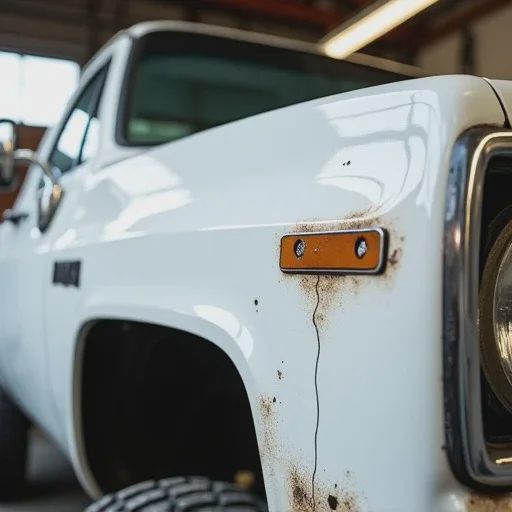
How to do it right: If you're crossing water deep enough to need a snorkel, you already know it. You've already done the other modifications—diff breathers, ECU relocation, sealed connectors. You don't need advice from me. If you're not doing that, leave the snorkel on the shelf.
4. Winches on Pavement Princesses
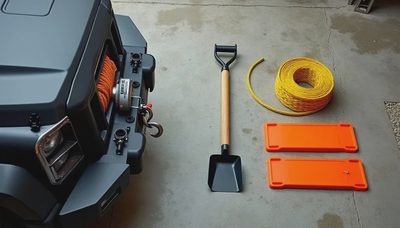
I've removed more winches than I've installed. Almost all of them were on trucks that never left asphalt.
A winch is heavy. A typical 12,000-pound winch weighs about 80 pounds before you add the steel cable and mounting plate. That's 100-plus pounds hanging over the front axle. Your front springs are carrying that weight every mile. Your front shocks are trying to control it. Your steering box is working harder every time you turn the wheel.
What I see in the shop: Bad front-end wear. Premature spring sag. Shocks that blow out early. And the winch is completely unused. The cable is still shiny. The remote is still in the plastic bag.
How to do it right: If you actually need a winch, you know the terrain. You've been stuck enough times to justify the weight. If you've never needed one, don't install one. Get a friend with a tow strap instead.
5. Cold Air Intakes
This one hurts because I used to be a believer. I installed cold air intakes on my own trucks in the early 2000s. The marketing got me. More power! Better fuel economy! Sounded faster!
Then I started measuring.
What I've found: In almost every case, a cold air intake makes the engine run worse. The MAF sensor gets dirty faster because the oiled cotton filter lets more dust through. The intake tube is often too close to the exhaust manifold, actually heating the incoming air. The computer compensates by pulling timing or fuel. The result is less power, not more.

The one exception: On a highly modified engine with a custom tune and a proper heat shield, a cold air intake can add power. But that's a $500-plus setup with professional calibration, not a $150 eBay part you install in your driveway.
How to do it right: If you want more power, start with a tune. Then look at exhaust. Then consider a properly engineered intake system with a dry filter and a real heat shield. If you're not doing all of that, just replace the factory air filter every 15,000 miles. It'll work better.
Why These Mods Keep Showing Up in My Shop
I ask every customer the same question: "Why did you buy this part?"
The answers are all similar. "I saw it on YouTube." "A guy on a forum said I needed it." "It was on sale." "It looked cool."
Nobody says "I actually needed it." That's the problem.
The internet is full of content creators who make money from affiliate links. They install parts because they get them for free. They recommend products because they get a commission. They never show you the downsides—the weight, the wear, the fuel economy loss, the parts you have to replace sooner because of the modification.
The Rule: Use the Truck First, Then Modify It
Here's my advice. It's simple and it's unpopular.
Drive the truck stock for a year. Go wherever you normally go. Do whatever you normally do. Take notes on what actually limits you.
If you get stuck in mud, you need tires or a winch.
If you hit your bumpers on rocks, you need clearance or skid plates.
If you scrape your undercarriage on breakovers, you need a lift.
If your headlights aren't bright enough, you need better bulbs, not a light bar.
A year of honest use will tell you more about what you need than a month of scrolling forums.
Then you buy the parts that solve the problem. Not the parts that look cool. Not the parts the sponsored YouTuber installed. The parts you actually need.
The Bolt Doesn't Lie
I've made almost every mistake on this list. I installed cheap lift kits. I bought the snorkel. I had a winch on a truck that never used it. I had a cold air intake and defended it to anyone who asked.
Then I started measuring. I started writing down what actually worked.
The internet will tell you to buy parts. I'll tell you to think first. If you're going to modify your truck, do it right. But do it because you need it, not because someone made it look good in a video.
That's the table. That's the rule. The bolt doesn't lie.


No letters yet — pray write the first.