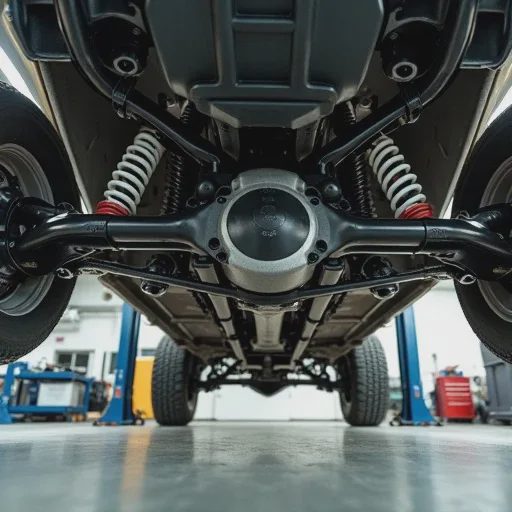
I see it every day on forums. A guy posts a photo of his stock truck and asks a simple question: "What should I do first?"
The first reply is almost always "lift it."
That's not advice. That's a suggestion to spend $2,000 without understanding anything about the truck, the driver, or the terrain.
The internet has normalized lift kits as the default modification. You buy a truck, you lift it. That's just what you do. But no one talks about the full cost. They show you the glamour shot of the truck parked at the trailhead. They don't show you the worn ball joints at 30,000 miles, the bump steer you have to live with, or the brake lines that need extending.
Here's what a lift kit actually costs—in parts, labor, and downstream fixes.
The Real Cost of a Lift Kit
Let's take a typical 2.5-inch lift on a Jeep Wrangler. It's the most common modification I see. Here's what the customer pays:
Upfront Costs
Lift kit (2.5-inch, mid-tier brand): $800-$1,200
Shocks (if not included): $400-$600
Alignment (post-install): $100
Labor (if you don't do it yourself): $600-$800
Total upfront: $1,900-$2,700
That's just the initial spend. Most people don't stop there.
The Downstream Costs
Here's what happens in the 12 months after the lift goes on:
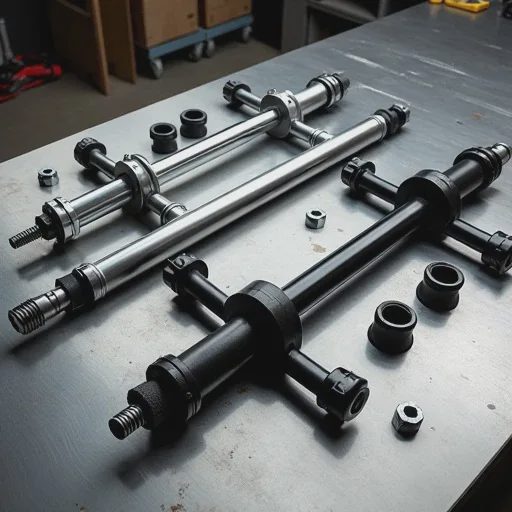
Front control arms: The factory arms are too short for the lift. The axle moves forward, and the springs bow. You need adjustable arms. Add $350-$600.
Track bar: The factory track bar is too short. The axle shifts sideways. You need an adjustable track bar. Add $250-$400.
Driveshaft: On some models (not all, but enough), the front driveshaft binds at the new angle. Add $500-$800 for a new one.
Brake lines: They're at full extension. Off-road flex can pull them tight. Add $100-$200 for extended lines.
Alignment (repeated): The adjustable components need settling and re-torquing. Budget for two more alignments. Add $200.
Total downstream: $1,400-$2,200
Grand total: $3,300-$4,900
The Hidden Costs
Fuel economy: The lift adds weight and drag. Expect a 1-3 mpg drop. Over 20,000 miles, that's $300-$600 in extra fuel.
Component wear: Ball joints, tie rod ends, and wheel bearings wear out 30-50% faster on a lifted truck. Budget for early replacements.
Ride quality: A budget lift rides worse. The springs are stiffer. The shocks aren't valved correctly. Your daily commute just got worse.
When a Lift Kit Makes Sense
I'm not against lift kits. I install them. But I only recommend them for customers who actually need them.
When to Lift Your Truck
Your tires rub on your current suspension. You've already maxed out the factory clearance, and you need more room.
You bottom out on your terrain. You're scraping the frame, dragging the differentials, and hitting the bump stops regularly.
Your factory springs are tired. The truck sags, the ride is sloppy, and new stock springs won't fix the problem.
When Not to Lift Your Truck
You think it looks cool. That's not a functional reason.
The forum guys told you to. They don't pay your repair bills.
You want to fit bigger tires that you don't need. Big tires are heavier, more expensive, and harder on components.
You have $1,000 burning a hole in your pocket. Put it toward maintenance or gas.
The Right Way to Plan a Lift
If you're going to lift your truck, do it right. Here's my order of operations:
Use the truck stock for a year. Find out what actually limits you before you buy anything.
Budget for the whole system. Include the adjustable components, extended brake lines, and driveshaft if needed.
Buy quality parts. The $800 lift kit costs you $3,000 in the long run. Spend $1,500 upfront and replace less later.
Pay for professional installation if you can't do it yourself. I've seen more messed-up lift installs than I can count. A bad install costs more to fix than a good install costs upfront.
Re-torque everything at 500 miles. And again at 1,000 miles. This is the step everyone skips.
Check your alignment every 6 months. Lifted trucks eat alignments. You can't set it and forget it.
The Mod I Recommend Instead
Before you buy a lift kit, consider this:
Maintenance.
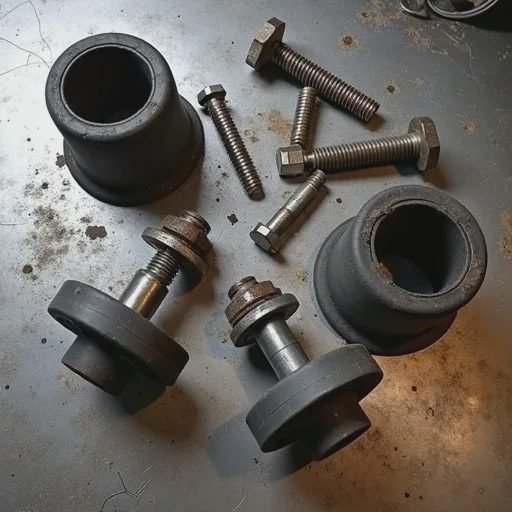
The average truck on the road has worn ball joints, tired shocks, and a loose steering linkage. A full front-end refresh—new ball joints, tie rod ends, bushings, and a proper alignment—will improve the handling more than a lift kit ever could. It costs about half as much and makes the truck feel new.
I've had customers come in with a $4,000 lift kit budget and walk out with a $1,500 front-end rebuild. They call me a month later to say the truck rides better than it ever has.
The bolt doesn't lie. And a lifted truck with worn ball joints is still a worn truck.


No letters yet — pray write the first.