A pickup truck SUV can be the right answer when you need a bed, passenger space, four-wheel drive, and enough ground clearance to reach a trailhead. It can also be an expensive compromise if you buy the wrong platform or insure it like a basic commuter. I have spent 20 years repairing these vehicles in a two-bay shop in Silverthorne, Colorado. The pattern is familiar: somebody sees a clean lift and big tires, then discovers the actual cost at renewal time or when a front differential gives up.
The first thing to understand is that a pickup truck SUV is not one mechanical category. A Toyota 4Runner, Ford Expedition, Jeep Gladiator, Chevrolet Tahoe, and Ford F-150 all serve overlapping customers, but their frames, drivetrains, cargo layouts, and repair bills are different. Insurance companies look at those differences too. Vehicle value, collision history, theft risk, safety equipment, engine size, repair costs, and driver history all influence the premium.
Decide What You Actually Need
Start with the job, not the photograph. If you haul mulch, motorcycles, or a slide-in camper, a pickup bed earns its space. If you carry children, dogs, groceries, and camping gear in bad weather, an SUV’s enclosed cargo area is usually more useful. A 4Runner can swallow a surprising amount of equipment with the rear seats folded, but a damp load of firewood belongs in a bed rather than behind your daughter’s hockey bag.
Payload is where internet advice gets sloppy. Towing capacity is not payload, and neither number tells you what an added bumper, winch, roof tent, passengers, and fuel do to the total. Read the door-jamb payload sticker. Then weigh the vehicle if the build is serious. A 700-pound payload margin disappears quickly with four adults and recovery equipment.
For insurance, ask for quotes on the exact year, trim, and vehicle identification number before buying. A base Tacoma and a highly equipped Tacoma TRD Pro are not interchangeable on a claim. Neither are a two-wheel-drive full-size truck and a four-wheel-drive model. Compare liability limits, comprehensive coverage, collision coverage, uninsured motorist protection, and deductible amounts rather than choosing only the lowest monthly price.

Pickup Truck SUV Insurance Starts With the Build Sheet
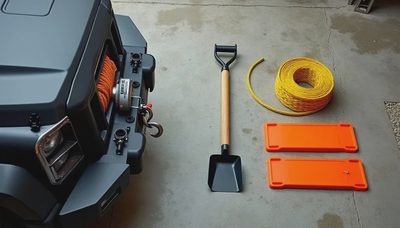
Modifications do not automatically make a vehicle uninsurable, but undocumented modifications can make a claim complicated. Tell the agent about a lift kit, aftermarket wheels, steel bumpers, a winch, camper shell, suspension links, and expensive recovery gear. Standard physical-damage coverage often follows the vehicle’s stated value and policy terms, not every dollar you spent in the garage.
Ask whether the carrier offers custom parts and equipment coverage. Some policies provide a limited amount automatically; others require a separate endorsement and receipts. A $2,500 suspension and wheel package should not be treated like a $200 set of floor mats. Photograph the build from all four corners, save invoices, and keep the alignment report. This takes ten minutes and can save an argument after a collision.
I had a customer with a 2018 SUV that carried a $4,000 front bumper, winch, and lighting setup. He assumed the equipment was covered because it was bolted on. The carrier’s standard limit was nowhere near the replacement cost. We documented everything before his next renewal, and the policy was adjusted. The expensive lesson was avoidable.
Compare the Mechanical Weak Points
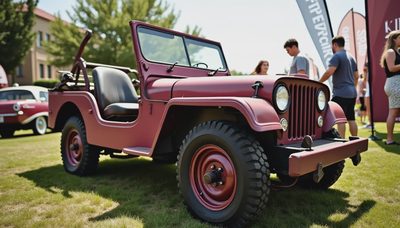
A pickup truck SUV with independent front suspension usually rides better on pavement than a solid-axle Jeep, but it has more alignment and steering components to inspect. A solid axle is tough and simple, yet worn track bars, ball joints, and control-arm bushings can create wandering or a violent shake. Neither design is magic. The bolt does not care what the brochure promised.
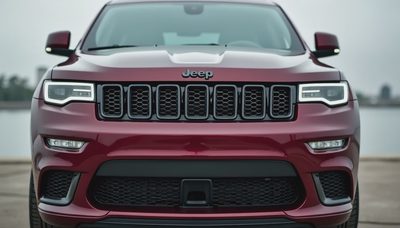
On a used 4Runner, check lower ball joints, steering rack leaks, frame condition, and evidence of neglected fluid changes. On a Wrangler, inspect the front track bar mounts, tie-rod ends, axle seals, and driveshaft angles after a lift. On a full-size truck or Tahoe, look at transmission behavior, transfer-case operation, rust around brake lines, and the condition of the rear suspension. A pre-purchase inspection costing roughly $150 to $300 is cheap next to a differential or transmission repair.
Before a test drive, measure tire tread, check for uneven shoulder wear, and look underneath for fresh fluid. After the drive, put your hand near each wheel without touching the rotor. One wheel radiating much more heat than the others can point to a dragging brake. I checked. The seller’s claim of “just a tire balance” was actually a seized caliper and a worn hub.

Tires, Lifts, and the Insurance Problem
The popular recipe is a 3-inch lift, 35-inch tires, wheel spacers, and a flash tune. That combination can look excellent in a parking lot and work poorly on a mountain road. Larger tires add rotating mass, alter braking feel, increase steering load, and can expose weak axle shafts. Wheel spacers need proper hub engagement and rechecked torque after the first drive. They are not a substitute for correct wheel offset.
For a daily-driven pickup truck SUV, I usually prefer a modest 1.5- to 2.5-inch suspension lift, quality shocks, and tires that fit without rubbing at full steering lock and full compression. Check the brake lines, bump stops, driveshaft angles, and alignment after installation. On many platforms, the final alignment matters more than the advertised lift height. A vehicle that pulls right and scrubs its tires is not “settling in.” It is telling you something.
Insurance can also become harder to price when a build changes the vehicle’s intended use. Regular trail use, commercial hauling, rideshare activity, or frequent towing should be disclosed accurately. A carrier may still offer coverage, but the right policy depends on how the vehicle is actually operated.
Choosing Between Truck and SUV Ownership Costs
A pickup truck SUV often costs more to operate than a regular crossover because tires, brakes, fluids, and drivetrain parts are larger. A set of decent all-terrain tires can run $900 to $1,600 before mounting. A brake job may land between $500 and $1,200 depending on the axle and parts selected. Add higher fuel use, roof-rack hardware, recovery equipment, and annual registration, and the purchase price becomes only the first line of the budget.
The insurance difference is not always predictable from vehicle size alone. A newer SUV with strong crash-avoidance equipment may quote better than an older truck with a higher theft rate or costly repair history. Get at least three quotes using identical coverage limits. A $1,000 deductible lowers the premium but means you need that cash available after a crash. I prefer a deductible that can be paid without putting a repair on a credit card.
For families, look closely at rear-seat access, child-seat anchors, cargo tie-downs, and crash-test equipment. For work, inspect bed length, payload, hitch rating, and trailer-brake wiring. Buying the wrong layout and compensating with accessories is how a sensible budget gets roasted like coffee left too long in the Gene Cafe.
My Shop Checklist Before You Sign
Get the VIN and insurance quote first. Confirm the title is clean and compare the mileage on the title, dashboard, service records, and inspection paperwork. Lift the vehicle or pay a shop to inspect it. Check frame rails, crossmembers, oil leaks, axle seals, ball joints, wheel bearings, brake hoses, and the spare tire. Test four-wheel drive on an appropriate surface and make sure the indicator light behaves correctly.
Ask for cold-start access. A warm engine can hide hard starting, exhaust smoke, or a noisy timing system. Scan for diagnostic codes even when the dashboard is clear. Look at live data and readiness monitors; a recently cleared fault is worth investigating. Then drive at highway speed and listen for humming that changes when you gently load each side through a curve.
Finally, price the first year honestly: insurance, tires, fluids, alignment, registration, and one repair reserve. A $28,000 used truck that needs $4,000 immediately is not cheaper than a better-maintained $32,000 example. Compare the real total, document the modifications, and let the mechanical evidence make the decision. The bolt doesn't lie.


No letters yet — pray write the first.