American hockey league games are the real shop-floor version of professional hockey. You get skilled players, hard checks, crowded benches, and enough mistakes to remind you that even excellent athletes are still human. I spend a lot of winter evenings around youth hockey because my daughter Emma plays, and I have learned that the best way to understand hockey is to watch what happens between the obvious highlights.
The American Hockey League, usually called the AHL, is the top development league for the NHL. Most teams are affiliated with an NHL club, and many players are one call-up away from skating in a larger arena. That gives the games a different feel from a casual minor-league exhibition. The pace is serious, the systems are structured, and every shift can be an audition.
Why American Hockey League Games Are Worth Your Time
An AHL game usually costs less than an NHL night, especially when you account for parking, food, and a family of four. Ticket prices depend on the market, but lower-bowl seats in many arenas can be found in the $20 to $45 range. Promotional nights, weekday games, and group packages can reduce that further. You are not paying for a polished celebrity production every second. You are paying to see players fighting for the next level.
That matters on the ice. A prospect might arrive with a first-round draft pedigree, while a veteran is trying to stay useful long enough to earn another contract. You can see the contrast in their choices. The young player may force a pass through traffic. The veteran takes the simple rim around the boards and lives for another shift. It is like watching someone learn suspension work: the flashy trick gets attention, but the correctly torqued fastener gets you home.
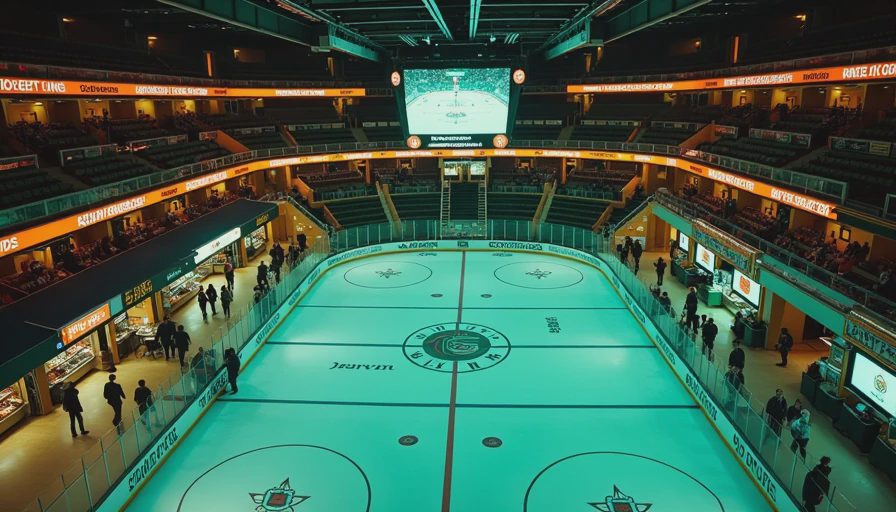
American hockey league games also tend to put fans closer to the action. In a smaller building, you can hear the puck strike the boards and the goalie bark instructions. That sound tells you more than a television replay does.
How to Find Schedules and Tickets
Start with the official AHL website or the website of the local club. Look for the schedule, ticket office, parking information, and arena policies. Team pages often list theme nights, college discounts, military discounts, youth hockey packages, and postgame events. Do not assume every offer is available at every game; read the details before buying.
If you are choosing between two dates, compare the opponent and the timing. A Friday or Saturday night often has the loudest crowd, while a Wednesday game can provide easier parking and cheaper seats. Games against an affiliated rival may carry more edge because players know they are competing for the same organizational attention.
For seats, I prefer a section near the blue line or just above the corner. From there, you can see defensive spacing, line changes, and whether a winger is covering the point. Seats directly behind the net are excellent for watching goalies track the puck, but they can hide some of the neutral-zone work. If you are bringing children, choose a spot with a clear view and easy access to the concourse rather than chasing the absolute lowest price.
What to Watch During the Game
The puck gets all the attention, but the useful information is usually away from it. Watch the defenseman at the blue line when the puck is deep. Is he holding the zone without getting trapped? Watch the weak-side winger. Is that player drifting toward open ice or helping the defense? These details explain why one team spends two minutes attacking while the other keeps dumping the puck out.
Pay attention to line changes. A clean change keeps five players connected. A late change creates a gap, and a smart opponent attacks it immediately. You will also notice that some players win battles without throwing the biggest hit. They get inside position, protect their stick, and move the puck before contact arrives. That is good mechanical judgment: leverage beats noise.
During American hockey league games, I watch goalies after a rebound. The first save is only part of the job. The goalie has to recover, find the puck, and get square again before the next shot. If the rebound lands in the middle, the defense has work to do. If it reaches the corner, the whole group can reset.
A Simple Game-Day Plan
Arrive 30 to 45 minutes early. That gives you time to park, collect tickets, find the section, and watch warmups without walking through the opening faceoff. During warmups, notice which players stay late for extra shots. You might see a goalie working on lateral movement or a defenseman practicing quick passes off the boards.
Bring a light jacket even if the weather outside is mild. Arenas hold cold air, and sitting still for two and a half hours feels different from moving around a garage. Wear shoes with decent traction because wet concrete near the entrances can be slick. I have seen more people nearly lose their footing in a rink lobby than on a muddy trail.
Food prices vary, but setting a budget before entering helps. A family can burn through $60 or more on drinks and snacks without noticing. Eat beforehand, buy one arena item, and leave room for the unexpected souvenir. A hat or team scarf is usually more useful than a novelty item that ends up under a truck seat.
Streaming, Radio, and Following Prospects
When you cannot attend, check the team’s official broadcast options first. Many clubs offer live streams, radio audio, or subscription access through league and team platforms. Broadcast availability can change by location and season, so verify the current option before game time. Social media accounts are useful for lineups, scratches, and last-minute schedule changes, but the official team site is the better source for ticket and broadcast information.
A good broadcast helps you follow player development. Listen for repeated mentions of faceoff assignments, penalty-kill work, and late-game situations. A prospect who scores twice is easy to notice. A player trusted with a defensive-zone draw while protecting a one-goal lead is showing a different kind of value.
That is why American hockey league games are worth following across a season, not just attending once. You can watch a player begin on the fourth line, earn special-teams minutes, and eventually move into a larger role. The improvement is easier to appreciate when you saw the rough version first.
What I Look For as a Hockey Dad and Mechanic
Emma's Jeep update: she knows enough hockey now to complain about a missed backcheck, but she still leaves gloves in the truck. I tell her to watch the player who fixes the mistake after losing the puck. That is where character shows up. Does the player chase recklessly, or take the correct angle and cut off the passing lane?
The same judgment applies in a garage. A loud modification is not automatically a good one, and a big hit is not automatically a smart play. In American hockey league games, the best work is often quiet: a stick in the passing lane, a clean pivot, a controlled first touch, or a defenseman choosing position over panic.
If you have never attended an AHL game, buy a reasonably priced ticket and go. Arrive early, watch warmups, learn the line changes, and leave your phone in your pocket for a few shifts. You will see more than a future NHL highlight reel. You will see a working league where details decide who gets another opportunity.
The bolt doesn't lie, and neither does the scoreboard.



No letters yet — pray write the first.