The first time somebody asks me about dark vs light roast, they usually want a simple answer: which one has more caffeine, and which one tastes less bitter? Fair questions. Coffee bags make the choice look like a personality test, but roasting is more mechanical than mystical. Heat changes the bean, and the roast level changes what ends up in your mug.
I have been roasting coffee beside my shop toolbox for years, usually before the first truck rolls into Grady Off-Road. My Gene Cafe sits between a Snap-on drawer and the tire machine. That is not the normal arrangement, but neither is diagnosing a death wobble with three customers offering three different guesses. I check the evidence. The bean does not lie, either.
What dark and light roasting actually mean
Green coffee beans start dense, grassy, and nearly impossible to enjoy. Roasting drives off moisture and triggers chemical reactions that create the aromas and flavors we recognize as coffee. A light roast spends less time in the roaster and is pulled earlier, while a dark roast stays in the heat longer and develops more roasted, smoky flavors.
That does not mean “light” equals weak or “dark” equals strong. Strength is mostly about how much coffee you use, how much water you add, and how you brew it. Roast level is about flavor development and bean structure. Calling dark coffee stronger is like calling a 4-inch lift automatically better off-road. It sounds convincing until you measure what changed.
Light-roasted beans often show more of their origin. You might taste citrus, berries, flowers, herbs, or a clean sweetness. Dark roasting covers more of those origin notes with flavors such as bittersweet chocolate, toasted nuts, caramelized sugar, and smoke. Neither is automatically superior. The right answer depends on whether you want to taste the bean or the roast.
Dark vs light roast: flavor, body, and acidity
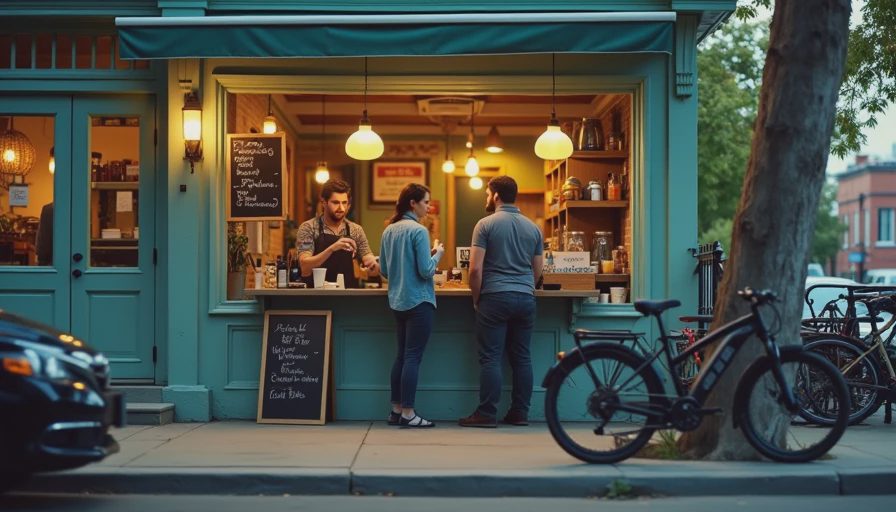
When comparing dark vs light roast, start with the cup’s texture. Light roast coffee commonly feels brighter and more tea-like. It can have noticeable acidity, which is not the same as sourness. Good acidity gives a cup structure, like a squeeze of lemon in a pan sauce. Bad extraction can make any roast taste sharply sour.
Dark coffee generally feels heavier and fuller. Its bitterness can be pleasant when it resembles dark chocolate, but an over-roasted batch tastes like ash and burnt toast. I have dumped beans that crossed that line. Saving a bad roast because you paid for the green coffee is no different from reusing a cracked steering knuckle because the replacement costs money. The failure does not care what you spent.
My own preference changes with the weather. At 5:30 in the morning beside the Blue River, I like a clean light roast brewed as a pour-over. After a long day aligning lifted 4Runners, I often want a darker cup with milk. The second choice is not more sophisticated; it is simply the right tool for the job.
Caffeine: the answer is less dramatic than the internet
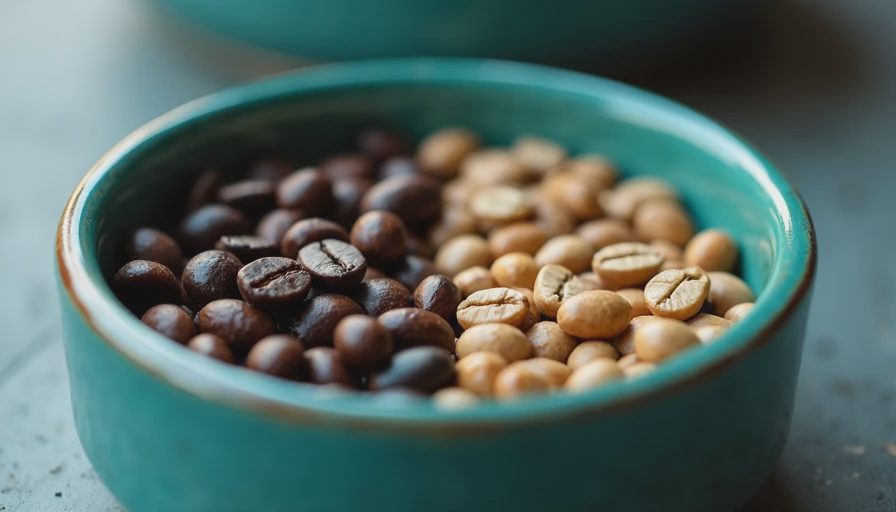
The caffeine difference between dark vs light roast is often overstated. Caffeine remains fairly stable through roasting, so the serving size and measuring method matter more than the color of the bean. Light beans are denser, meaning a scoop by volume can contain slightly more coffee mass. Dark beans expand and become less dense, so weighing both roasts gives you a cleaner comparison.
If you use a kitchen scale and brew 20 grams of either roast with the same water ratio, the caffeine difference is usually not the reason to choose one. If caffeine affects your sleep, cut the dose or move your last cup earlier. Switching from dark to light is not a reliable substitute for changing how much you drink.
This is where coffee advice gets like truck advice: somebody repeats one true detail until it becomes a bad rule. Dark roast does not automatically mean high caffeine, and light roast does not automatically mean a gentle morning cup. Measure the input before blaming the label.
Match the roast to your brewing method
For a French press, dark vs light roast comes down to how much body and intensity you want. A dark roast can produce a rich, heavy cup, especially with a four-minute steep. Use water just off the boil and avoid grinding too fine, or the cup can become muddy and harsh.
A pour-over often suits a light or medium-light roast because the slower flow highlights aroma and acidity. Start around a 1:16 coffee-to-water ratio, then adjust. If 20 grams of coffee tastes thin in 320 grams of water, grind a little finer or use less water. If it tastes bitter and drying, go coarser or lower the water temperature slightly.
Espresso is more flexible than people claim. Traditional dark espresso roasts can work well with milk because their chocolate and toasted flavors cut through dairy. Lighter espresso roasts can be excellent black, but they demand a grinder that produces consistent particles and a willingness to adjust dose, grind, and shot time. A cheap grinder can turn a bright roast into a sour argument before breakfast.
How to buy without getting fooled by the bag
Ignore dramatic roast names when possible. “Midnight,” “Blackout,” and “Breakfast” are marketing terms, not a universal scale. Look for a roast date, origin information, and a description that tells you something useful. A bag that says “washed Colombia, caramel, apple, cocoa” gives you more to work with than one that only says “bold.”
Buy a small bag first. Eight to twelve ounces is enough to test a coffee without filling the cabinet with beans you dislike. Grind only what you need, keep the beans sealed away from heat and light, and use them while they are still aromatic. Fresh does not mean roasted yesterday; coffee often needs several days to release excess gas before brewing well.
For a practical comparison, buy the same origin in two roast levels if the roaster offers it. Brew both at the same ratio and temperature. Write down aroma, sweetness, bitterness, body, and finish. That little five-line test beats ten online arguments because your water, grinder, and tongue are the variables that matter.
My shop-bench answer
The best dark vs light roast is the one that makes you want another cup for the right reasons. Choose light when you enjoy distinct fruit, floral notes, and a brighter finish. Choose dark when you want heavier body, chocolate flavors, and a roast character that holds up to cream or milk. Choose medium when you want the compromise, not because compromise is always noble, but because it is often the easiest daily driver.
Emma's Jeep update: she says my light roast tastes like “coffee trying to be tea.” I told her that was an accurate tasting note. She still put sugar in it. No argument there; I was the same age once.
Do not let a roast label make the decision for you. Brew a measured dose, change one variable at a time, and pay attention to what the cup actually says. In the shop, I check wheel bearings before blaming the tires. At the roaster, I check grind, ratio, and temperature before blaming the beans.
The bolt doesn't lie. Neither does a properly brewed cup.


No letters yet — pray write the first.