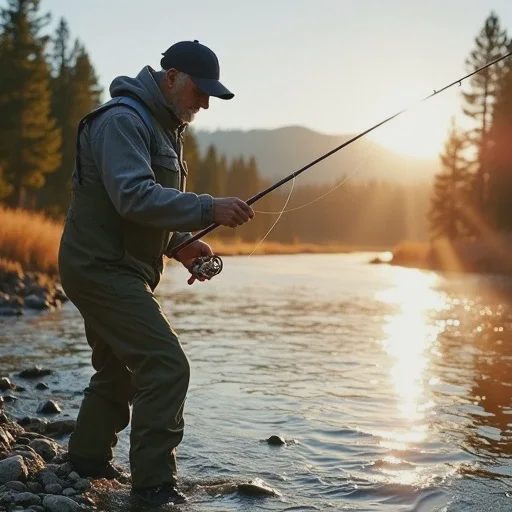
It's dark when I pull into the pullout on Highway 9. The Blue River is quiet at this hour—just the sound of water running over rocks and the occasional bird that wakes up too early. I've been fishing this stretch for 15 years. I know where the pools are, where the current speeds up, and where the big ones hold.
I tie my own flies. Some people think it's a waste of time. You can buy a perfectly good fly at the shop for three bucks. But tying your own forces you to pay attention. You have to think about the hook size, the thread tension, the amount of dubbing you wrap around the shank. If you rush it, the fly falls apart. If you space out, the proportions are wrong.
Standing in the river at sunrise, I realized something. Fly tying and suspension work are the same thing.
Preload Is Preload
In fly fishing, preload is everything. When I cast a fly line, I'm loading the rod with energy. The bend in the rod stores that energy. If I release it at the right moment, the fly shoots out exactly where I want. If I release too early, the fly falls short. Too late, and it slaps the water.
Suspension preload works the same way. A coil spring stores energy when the suspension compresses. That energy is released when the wheel comes back down. If the spring rate is wrong—too soft or too stiff—the axle doesn't track the terrain properly. The truck bounces or bottoms out.
I've had customers come in with trucks that ride terribly on washboard roads. They think the shocks are bad. I put it on the lift, check the spring preload, and find the suspension is either over-preloaded or under-preloaded. The bolts holding the spring perches are loose, or the adjustable coilovers were set wrong. The axle isn't tracking. The truck feels broken.
The Tension That Holds Things Together
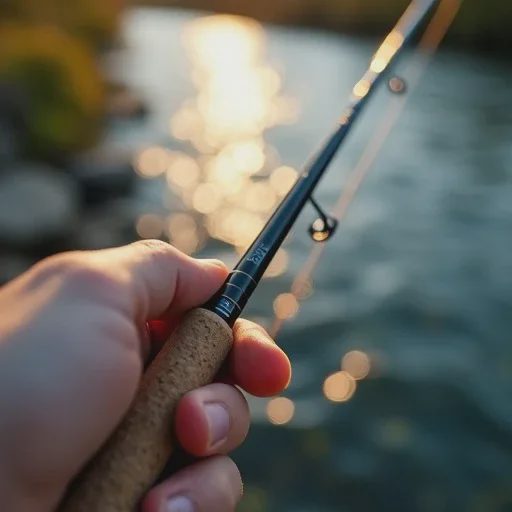
When I tie a fly, I have to get the thread tension right. Too tight, and I cut through the material. Too loose, and the fly falls apart after one fish. I've tied hundreds of flies. I can feel the tension in my fingers. It's muscle memory.
Tracking bar bolts are the same thing. The bolt that holds the track bar to the axle has to be at the right tension—not just tight, but torqued to spec. Too loose, and the bar shifts, causing death wobble. Too tight, and the bushing binds, which leads to premature wear.
I see track bar bolts undertorqued all the time. Customers replace the track bar bushings, tighten the bolt by feel, and call it done. A week later, the bushing is wallowed out because the bolt shifted under load. I torque it to 125 ft-lbs and send them on their way.
The bolt doesn't lie.
The Rhythm of a Good Fix
Fishing has a rhythm. Cast, drift, mend, retrieve, repeat. You have to be present. If your mind is elsewhere, you miss the strike. If you're thinking about the shop while you're on the water, you're not fishing. The rhythm breaks.
Good diagnostics have a rhythm too. Start at one end of the system, inspect, measure, move to the next component. Don't skip. Don't guess. Follow the data. I've had days when I spent four hours on a diagnosis that I could have done in two if I'd just followed the rhythm instead of jumping to conclusions.
The best fix I ever did on a truck came after I spent a morning on the river. I was standing waist-deep, not catching anything, just watching the water. The current was pushing against a rock, creating an eddy. The trout were sitting behind the rock, out of the current, waiting for food to come to them.
I got back to the shop that afternoon. A customer with a 4Runner had a vibration that no one could diagnose. The shops that looked at it had checked the wheels, the tires, the driveshaft, and the transmission. I checked the pinion angle. The driveline angles were off because the rear axle was tilted. The problem wasn't in the parts that spin. It was in the geometry that holds them. I fixed it in an hour.
Why I Fish
A lot of people think I fish to relax. I don't. I fish to focus.
When you're standing in a river, you can't think about the alignment you have to do later. You can't think about the customer who won't pay his bill. You can't think about Emma's hockey game. The river demands your full attention. The current is trying to knock you over. The fly needs to drift naturally. The fish are looking for any reason not to bite.
That attention is what I bring back to the shop. I don't rush diagnostics. I don't guess. I measure. I feel. I wait for the truck to tell me what's wrong.
The bolt doesn't lie. And neither does the river.
No letters yet — pray write the first.