When a driver asks about automobile all parts, I know they usually mean one thing: the pile of pieces that turns a wrecked truck or SUV back into something I would let my daughter ride in. That pile can be a grille, bumper cover, bracket, sensor, headlamp, clip, and paint work, or it can be half the front end after a deer meets a Silverado. The insurance part matters because the lowest estimate is not always the cheapest repair. I have watched a $1,900 fender-bender become a $4,200 check once the shop found hidden damage. The bolt doesn't lie, and the parts bill usually doesn't either.
What automobile all parts means in a real shop
In my bay, I do not think of parts as a neat catalog page. I think in assemblies, fit, and time. A headlamp on a late-model F-150 is not just a bulb. It can be a housing, an LED module, a leveling motor, and a bracket that cracks if you look at it wrong. Same with bumper covers, mirrors, door shells, and sensors. OEM parts come from the maker, like Mopar, Motorcraft, or ACDelco. Aftermarket parts come from companies like Dorman or TYC. Used parts usually come through LKQ yards or a recycler. Remanufactured parts show up more on starters, alternators, calipers, and some steering gear.
The cheap version is not always bad. I have used plenty of aftermarket trim that fit fine. But I have also seen a bumper cover that needed an hour of massaging just to line up the gaps. That is not savings. That is labor you did not plan for. When the fit matters, I spend the money up front.
How insurance handles automobile all parts after a claim
A good claim starts with the policy, not the wreck. Collision covers crash damage, comprehensive covers non-collision losses like hail, theft, vandalism, or a deer strike in many cases. Your deductible is what you pay before the insurer starts writing checks. If you carry a $500 deductible on a $3,200 repair, you are not negotiating the whole bill. You are negotiating the part above the deductible and how the estimate gets built.
Most carriers write an initial estimate from photos or a quick inspection. That is normal, but it is not the final answer. A shop tears the truck down and finds bent brackets, broken clips, a cracked condenser, or a radar mount hiding behind a bumper reinforcement. Then the supplement starts. If your policy includes an OEM parts endorsement, that can matter on newer vehicles where fit and calibration are touchy. Rental coverage matters too, because a shop can keep a vehicle for days waiting on a backordered lamp or grille. If the carrier wants to use a used hood or a recycled mirror, that can be fine on some repairs and lousy on others. I look at function first, then price.
The pieces that make the bill jump
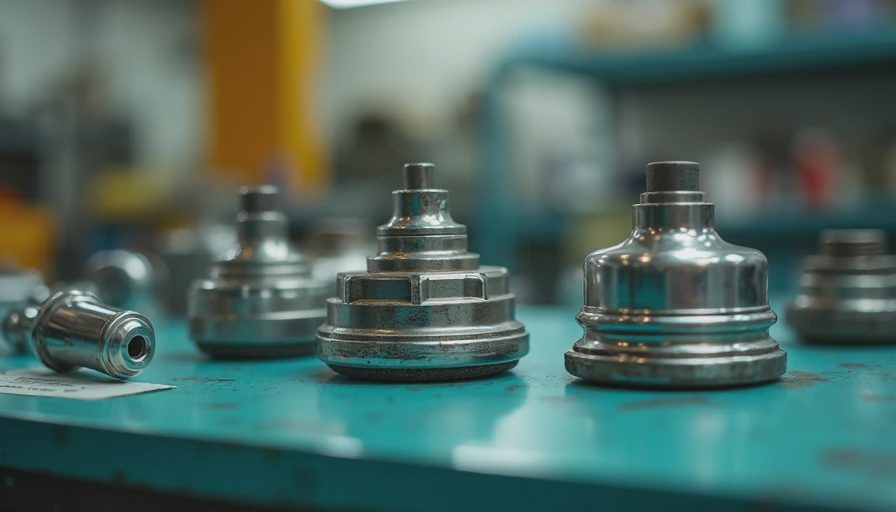
The scary part of automobile all parts is hidden damage. The visible damage is usually the cheap part. The real money lives behind the bumper cover and under the headlamp. A modern front-end repair can stack up fast: bumper cover, grille, absorbent foam, reinforcement bar, radar sensor bracket, camera, parking sensor, clips, fasteners, paint materials, and then calibration. A camera or radar calibration can add a few hundred dollars by itself, and a full headlamp assembly can run from a couple hundred to well over a thousand depending on the vehicle.
Paint and blend work are where owners get surprised. A black plastic bumper may still need prep, primer, and color coat. A pearl white or tri-coat finish can add real labor. I have seen a $650 bumper cover become a $1,900 line item once paint, blend, and mounting hardware got added. That is not a scam. That is how a repair bill grows when every piece has to match and every sensor has to talk to the computer again.
How I keep the estimate honest
I start with teardown. If the shop does not remove the broken pieces, it is guessing. A cracked grille can hide a broken hood latch support. A bent bumper reinforcement can shove a condenser into the radiator. A loose bracket can make a replacement part fit like a bad fly rod with the wrong tip section. I want the VIN on the estimate, the part number where possible, and a clear note on whether the part is new, used, or aftermarket. I also want the fasteners counted. Clips and bolts are small until you need twelve of them at $8 each.
The scary part is that automobile all parts can look cheap on paper and still hurt when the hidden stuff surfaces. I learned that on a Tacoma with a deer hit. The visible damage looked like a bumper and headlamp. Once the shop tore it down, the support, wiring pigtail, and condenser all needed attention. The original estimate was a couple grand short. The supplement fixed it, and the owner was glad the truck got opened up before the paint went on. That is the difference between a proper repair and a pretty lie.
When to spend more and when to save
In automobile all parts work, I spend money where failure would ruin the repair or create a safety problem. That means airbags, seat belts, steering components, suspension pieces, brakes, and anything tied to camera or radar calibration. I am fine saving money on trim, emblems, and some cosmetic brackets if the fit is right and the supplier is decent. Dorman makes useful replacement parts. LKQ can be a smart source for used sheet metal and mirrors. Mopar, Motorcraft, and similar OEM lines make more sense when the part affects alignment, lighting, or electronics. That is not brand worship. That is shop math.
If you are shopping insurance, ask how the carrier handles OEM parts, recycled parts, and rental coverage before you bind the policy. A cheap premium can become an ugly repair if the coverage only looks good on the quote page. I would rather pay a few dollars more each month than argue about a headlamp after the deer hit.
A clean estimate, the right part, and a proper supplement beat a bargain every time. The bolt doesn't lie.


No letters yet — pray write the first.