If you are searching how to car wheel alignment, you probably noticed a steering wheel that sits crooked, a truck that wanders, or front tires wearing faster on one edge. I have seen all three roll into my shop, sometimes after the owner replaced perfectly good tires and blamed the road. Alignment is not mysterious, but it is geometry. A tape measure and a level can reveal trouble; they cannot always replace a calibrated alignment rack.
The short version is this: inspect the suspension first, measure toe, camber, and caster, then adjust only what your vehicle allows. On a stock crossover, a shop alignment often costs about $100 to $180. A lifted Jeep, Tacoma, or solid-axle Super Duty can run $150 to $300 once bent parts, adjustable control arms, or seized track-bar bolts enter the picture.
What an alignment actually changes
Wheel alignment describes the direction and angle of each wheel compared with the vehicle and the road. Toe is whether the fronts of the tires point inward or outward when viewed from above. Too much toe-out can make a vehicle twitchy and scrub tread. Too much toe-in often leaves a feathered, sawtooth edge you can feel by sliding your palm across the tread.
Camber is the inward or outward tilt of the wheel viewed from the front. Excessive negative camber wears the inside shoulder. Caster is the steering-axis angle viewed from the side. It affects straight-line stability and steering return. Most modern vehicles tolerate a small range, but lifted trucks often need caster correction after suspension geometry changes.
That is why how to car wheel alignment is not simply a matter of pointing tires straight. If a ball joint has play, a tie-rod end is bent, or a wheel bearing is loose, measurements move while you drive. Alignment cannot repair worn hardware.
Inspect before you measure
Park on flat concrete with the fuel tank roughly half full and remove heavy cargo. Set tire pressure to the door-jamb specification, not the maximum molded into the sidewall. Roll the vehicle forward several feet and settle the suspension before taking measurements. Turning the steering wheel while parked can leave the rack off-center and spoil the result.
Lift each corner only as needed and check for movement. With the tire at the three-and-nine o'clock positions, push and pull to feel for outer tie-rod or steering-rack play. At twelve and six, check ball joints and wheel bearings. Look for torn control-arm bushings, a bent tie rod, leaking shocks, and tires with cupping or one-sided wear.
On a Wrangler with death wobble symptoms, do not begin with an alignment coupon. Check the track-bar bolts, axle-side bracket, drag link, and unit bearings. I have found loose track-bar hardware that let the axle shift nearly an inch under steering load. The owner thought the alignment was bad. The loose bolt was the problem.
A practical driveway measurement
For a basic toe check, use two jack stands and a length of string, or measure from the same tread grooves at the front and rear of the tires. Keep the steering wheel centered. Mark each tire with chalk, rotate it, and measure at hub height so a bent wheel does not fool you. Write down the front measurement, then the rear measurement. The difference gives you a useful toe direction, though not the precision of a rack.
A toe plate or trammel bar is better than string. On many vehicles, total toe is measured in fractions of an inch or degrees, and the exact specification belongs to that vehicle's service manual. Do not copy a number from a Tacoma forum for a Silverado. Tire width, ride height, axle design, and factory geometry are different.
This is the useful part of how to car wheel alignment for a home mechanic: measure before turning an adjuster. Photograph the original position, count exposed threads, and mark the sleeve with paint. If your adjustment makes the steering wheel crooked, you did not finish the job. Both sides need to share the correction while the rack or steering box remains centered.
Adjusting toe without creating another problem
Most independent front suspensions adjust toe at the tie-rod sleeves. Loosen the jam nuts, turn the sleeve in small equal increments, and recheck after rolling the vehicle forward. Do not use an impact wrench on a rusty adjuster unless you enjoy buying a tie rod. Penetrating oil, heat used responsibly, and patience are cheaper.
Solid front axles use a different arrangement. The tie rod controls the relationship between the wheels, while the drag link centers the steering wheel. Turning the drag link to hide a toe problem can leave the steering box off-center. On a lifted Jeep, caster and front-axle centering also deserve attention. Adjustable control arms can restore geometry, but they cannot straighten a bent axle housing.
The how to car wheel alignment process ends badly when someone tightens jam nuts without holding the sleeve. The setting can move several millimeters. After adjustment, torque every fastener to the vehicle's service specification and make sure the jam nuts are fully seated. A paint mark across the nut and sleeve gives you a quick visual check later.

When a rack is the right tool
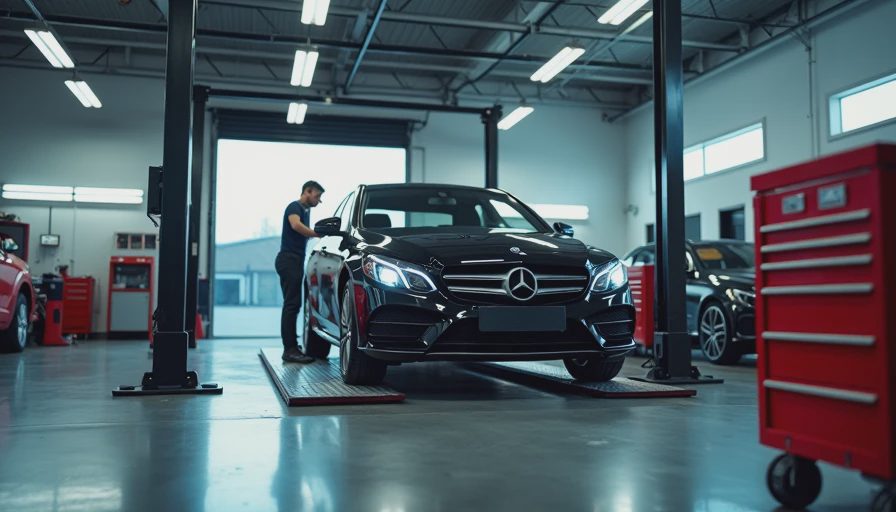
A shop rack earns its money when you need four-wheel measurements, live sensor readings, or a printout showing before-and-after values. Rear toe matters on independent rear suspension, and a vehicle can point straight while the rear axle is steering the body sideways. That condition is sometimes called dog tracking. You can see it when the steering wheel is straight but the vehicle travels slightly sideways down a level road.
Bring the technician your tire-pressure reading, suspension modifications, and any recent impact history. Tell the shop whether the truck carries a winch, steel bumper, or constant bed load. A competent technician should inspect looseness before adjusting and should explain any red values instead of simply handing you a green sheet.
If a pothole bent a tie rod and you carry collision or comprehensive coverage, ask your insurer about the applicable coverage before authorizing repairs. Coverage depends on the cause, policy, deductible, and state rules. Routine wear and maintenance are generally not an insurance claim. An alignment after replacing a damaged steering part is maintenance of the repair, not proof that insurance owes the bill.
A final road test and tire check
After any adjustment, tighten the lug nuts using the vehicle's specified torque and verify that the steering wheel returns naturally. On a quiet, straight road, check for pulling, vibration, looseness, and braking drift. Do not confuse wheel imbalance with alignment: imbalance usually produces a speed-related shake, while alignment more often causes pull, wander, or uneven wear.
Recheck tire wear after a few hundred miles. A tread-depth gauge costs less than a fast-food lunch and tells you more than guessing from the outside shoulder. Compare the inner, center, and outer grooves on both sides. If the pattern changes rapidly, stop chasing settings and inspect the suspension again.
The best how to car wheel alignment routine is simple: inspect first, measure carefully, adjust in tiny steps, torque the hardware, and confirm the result on the road. I once chased a pull for half a day before checking tire pressure; one front tire was eight pounds low. I checked. The bolt doesn't lie, but neither does a gauge.




No letters yet — pray write the first.