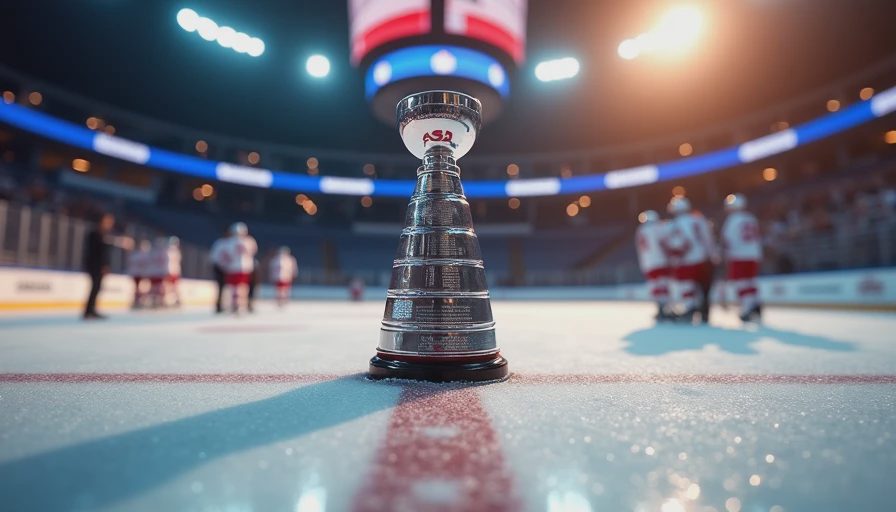
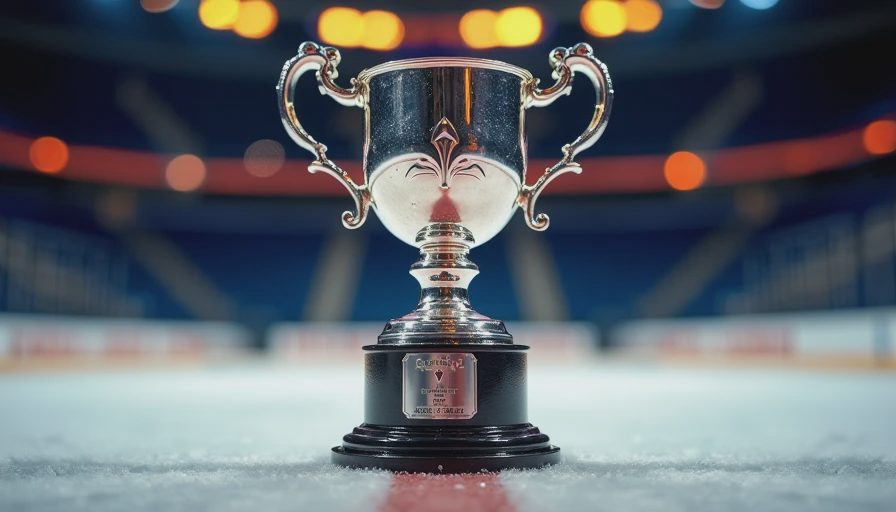
The calder cup ahl is professional hockey's championship trophy, awarded to the team that survives the American Hockey League playoffs. I know this is a truck blog, not a sports desk, but hockey and wrenching have more in common than most people realize. Both punish shortcuts. Both expose weak preparation under pressure. And both reward the person who checks the small stuff before the big failure arrives.
I have been around enough hockey equipment through the Summit County Youth Hockey League to understand the difference between a good-looking setup and a dependable one. A freshly painted helmet does not make a loose chin strap acceptable. The same goes for a lifted 4Runner with expensive shocks and loose control-arm hardware. The calder cup ahl is built around that same truth: reputation gets you into the room, but execution gets you through the series.
What the Calder Cup AHL championship actually means
The American Hockey League is the primary development league for the National Hockey League, but calling it merely a training ground misses the point. AHL teams feature prospects, experienced professionals, and players working their way back from injuries. The competition is serious, and the Calder Cup playoffs demand more than a strong regular season.
The trophy is named after Frank Calder, the first president of the NHL. The championship has been contested for decades, and its playoff history includes long series, overtime games, surprise runs, and organizations that built winning cultures without the biggest budget. When people search for calder cup ahl results, they are usually looking for more than a score. They want to know which team handled pressure when the ice got bad and the margin got thin.
That is the same question I ask when a customer brings in a used Jeep with a death wobble. Which part failed first? Which part was already worn? What did the previous owner tighten without a torque wrench? The visible shake is only the symptom.
Why playoff hockey resembles a proper truck inspection
A playoff series is not won by staring at one dramatic statistic. Coaches watch line changes, fatigue, faceoffs, goaltending, special teams, and how a player reacts after making a mistake. In my bay, I use the same layered approach.
First, I inspect the tires and wheels. A cupped tire, bent wheel, or missing balance weight can imitate a suspension problem. Next, I check wheel-bearing play, ball joints, tie-rod ends, track-bar mounts, and control-arm bushings. Only after those basics do I start blaming the lift kit. Anybody can sell a new steering stabilizer. Diagnosis takes longer and tells the truth.
The calder cup ahl playoffs make every weak link visible because teams play repeatedly against opponents who study them. A truck does the same thing on a rocky trail. One loose bolt might survive a trip to the grocery store. Add washboard roads, a heavy recovery load, and a steep descent, and that bolt starts writing the rest of the story.
I checked. The bolt doesn't lie.
The playoff format rewards depth, not one hot night
The exact AHL playoff structure can change as the league adjusts divisions and postseason qualification, so I do not trust old forum graphics or a screenshot from five seasons ago. The reliable idea is simple: qualified teams face elimination pressure through multiple rounds, and the final winner lifts the Calder Cup.
That format rewards depth. A team needs more than one scoring line. It needs a backup goalie who can enter a game cold, defensemen who can clear the crease, and role players who win difficult shifts. A truck build needs the same balance. A 4-inch lift with stock tie rods, tired ball joints, and an original steering box is not a complete setup. It is one impressive component surrounded by unpaid bills.
For calder cup ahl fans, depth explains why a lower-seeded team can become dangerous. For truck owners, the lesson is even more practical: budget for the supporting parts. On a solid axle Jeep, that can mean new track-bar hardware, alignment correction, brake-line extensions, and a real inspection after the first few hundred miles. The lift height is the headline; the supporting geometry is the engine of the build.
What to watch when following the Calder Cup
When I follow the calder cup ahl postseason, I pay attention to details that do not always appear in a highlight clip. Does a team protect the puck along the boards? Does its defense make clean first passes? Does the goalie control rebounds instead of creating second chances? Does the bench shorten its shifts when fatigue shows up?
Those are preparation questions. If you want to understand a playoff team, watch what happens after a bad bounce. If you want to understand a truck, inspect what happens after a hard hit. Look for fresh marks around fasteners, cracked paint near a weld, shiny contact patches where metal is rubbing, and grease pushed out of a boot. A clean-looking engine bay can hide a loose mount. A polished hockey roster can hide a thin blue line.
Emma's Jeep update: her 2004 Wrangler still has a two-inch lean on the passenger side. We measured spring height, checked the upper and lower control-arm mounts, and looked for a bent perch before ordering anything. The internet wanted a lift spacer. The tape measure wanted more evidence.
A simple way to research teams without getting lost
If you are new to the calder cup ahl, start with the official AHL schedule and standings rather than random social posts. Confirm the team, round, venue, and date. Playoff brackets can change when qualification is settled, and old articles often remain visible long after they stop being useful.
Then watch a full period instead of a thirty-second clip. Notice line combinations, penalty killing, faceoff choices, and how the team manages a one-goal lead. Hockey rewards pattern recognition, just like troubleshooting a driveline vibration. The first guess is often wrong, especially when the symptom moves with speed or load.
For truck owners, make a paper inspection list. Write down tire pressure, lug torque, fluid leaks, steering play, and the date each item was checked. A basic torque wrench from Tekton or CDI is more useful than another decorative accessory. Follow the vehicle manufacturer's lug specification, tighten in a star pattern, and recheck after wheel installation. Do not substitute a cordless impact's final click for measured torque.
The shop-floor lesson from the Calder Cup
The best calder cup ahl teams do not win because every shift is perfect. They win because mistakes are recognized quickly, systems are adjusted, and tired players still execute fundamentals. That is how a reliable truck is built. You do not need the most expensive suspension package or a catalog full of billet parts. You need compatible components, correct geometry, clean installation, and an inspection schedule you actually follow.
If your truck shakes, pulls, clunks, or eats tires, stop buying parts based on the loudest forum reply. Measure ride height. Check the joints. Verify fastener torque. Get an alignment printout and read the numbers instead of accepting “within spec” as a diagnosis. A $100 inspection can prevent a $1,500 parts pile and a dangerous trail repair.
The calder cup ahl is about surviving the long test, not winning the first shift. Your build should be judged the same way: after the trail, after the snow, and after the miles that expose what you rushed. The bolt doesn't lie.


No letters yet — pray write the first.