If you live near Dillon and fish the Blue or Snake on the weekends, Colorado angler Silverthorne is not really about the rod tube. It is about whether your truck starts at 5 a.m., reaches the pullout in one piece, and gets you home without a buzzing wheel bearing or a soaked cooler. I see this from the shop side all the time: the rig that looks clean in the parking lot often has the wrong tires, a tired battery, and a bed full of gear sliding around like a loose fly box in the back of a raft.
The good news is you do not need a monster build. You need a truck that can handle slush, gravel, and a little impatience. That means sound tires, brakes that still bite on a downhill grade, and storage that keeps hooks, waders, and coffee from turning into one wet pile. If you have a 4Runner, Tacoma, Colorado, F-150, or Wrangler, the rules are the same: keep the center of gravity sensible, keep the load secured, and do not ask stock street tires to do all the work when the road turns to marbles.
I learned that the hard way years back on my own half-ton, when I thought a cheap lift and shiny wheels would solve everything. It made the truck look taller and drive worse in crosswinds. That was my coffee-roaster lesson: the beans can look perfect, but if you pull them too soon, the cup tells on you. Same thing with trucks. A good fishing setup is boring in the best way. It starts, turns, stops, and keeps the gear dry. When Colorado angler Silverthorne runs right, nobody notices the setup because nothing breaks.
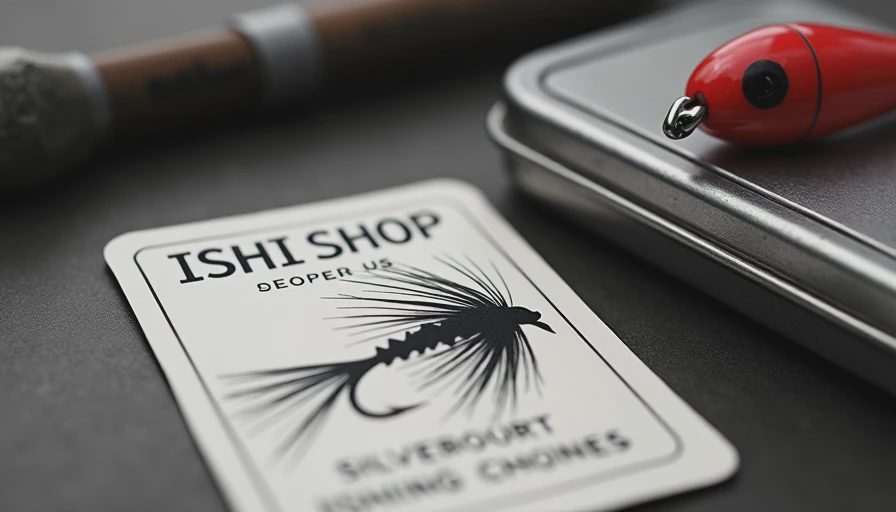
The parts that earn space in the bed
A Colorado angler Silverthorne truck should start with the bed, not the bumper. A rubber bed mat from WeatherTech or Dee Zee keeps coolers, boots, and tackle boxes from skating around on washboard roads. A solid tonneau cover from BAKFlip, TruXedo, or Lomax does more for wet gear than most people expect, and it usually beats a roof rack because it keeps the weight low. That matters when you are climbing out of town or merging onto I-70 with a crosswind trying to shove you into the next lane.
I like a small lockable toolbox or a compact box system in the front of the bed for spare gloves, a tow strap, a headlamp, and a tire plug kit. Nothing fancy. The trick is to keep the first aid of truck life where you can reach it without unloading half the river. If you haul waders, split them into a dry bag and a vented bin. Wet neoprene left loose in a covered bed smells like a hockey bag after two practices and one overtime game.
What I check after a winter of river miles
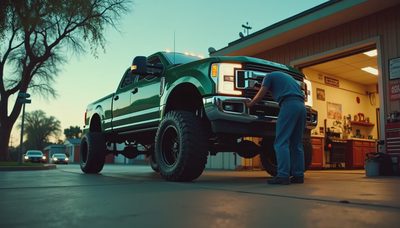
When a Colorado angler Silverthorne truck comes into my bay after a winter, I look at the same five things first: tire tread, wheel torque, brake pad thickness, battery health, and front-end play. Lug nuts on half-ton trucks usually land somewhere around 100 to 140 ft-lb, but the factory spec wins every time. If somebody used an impact gun like a hammer, I put the wrench on it and verify the number. Re-torque after 25 to 50 miles if the wheels were just off. That is not a suggestion. That is how you keep a wheel from making its own exit plan.
I checked.
Then I crawl under and look for crust on sway bar links, torn CV boots, loose skid plates, and rust where a hitch pin has been living a wet life all season. Blue River access roads are not Moab, but they still shake things apart. A wheel bearing starting to sing at 45 mph will get louder with every trip. A battery that is weak at the first cold snap will leave you staring at the dash while the rest of the lot is already on the water. The fix is usually cheaper than the tow.
The budget that makes sense
You do not have to spend like you are building a SEMA truck to get a useful setup. A decent set of all-terrain tires from Falken, BFGoodrich, or General usually runs about $900 to $1,400 for a common midsize truck size, and that money goes farther than a flashy light bar if your roads are snowy six months of the year. Add a battery in the $180 to $260 range if yours is older than four or five years, and you have already removed a lot of the misery from a cold start before dawn.
For Colorado angler Silverthorne, the smart money usually goes to boring parts first: tires, battery, bed storage, and a bed cover that seals well enough to keep road spray off your gear. After that, a better jack, a plug kit, and a torque wrench earn their keep. I have seen people spend $2,000 on cosmetics and still carry their rods loose across the cab. That is backwards. The truck should serve the day, not advertise it.
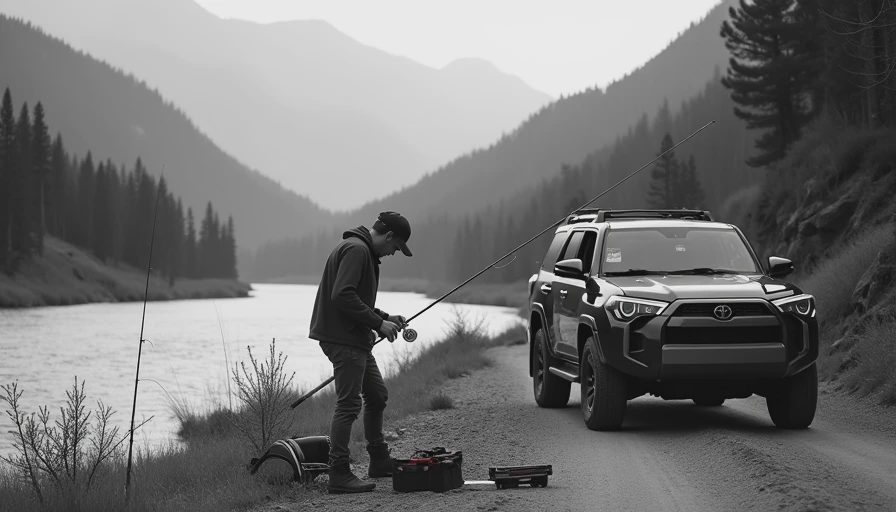
Where people waste money
The biggest waste is chasing height before handling. A 3-inch lift with the wrong geometry can make a truck feel nervous on pavement and twitchy on rutted access roads. A cheap leveling kit with bargain shocks often rides worse than stock. If you never leave plowed roads, I would rather see a mild all-terrain tire and fresh alignment than a tall stance and a steering wheel that does not come back to center cleanly. The bolt does not lie, and neither does the tire wear pattern after 2,000 miles.
That is also where brand names get abused. A good Fox or Bilstein shock can be worth the money if you actually need damping control. A winch is useful if you are heading into mud, snow, or remote tracks. If your trip is mostly paved highway and a gravel parking area by the river, spend the money on brakes, tires, and a cover that keeps your gear dry. On a long run up from Denver, a loud mud tire is like trying to tie a knot with gloves on. It works, but it is clumsy, and you feel every mile.
A simple setup that holds up all season
If I were putting together a truck for this kind of use, I would keep it simple: stock or near-stock suspension, quality all-terrains, a real bed cover, one organized storage bin, and recovery gear that fits in a corner without turning into junk drawer chaos. That setup handles winter slush, summer dust, and a sudden grocery run without making the truck miserable to drive. If you tow a small boat or haul a trailer full of gear, verify your hitch rating and keep the tongue weight sane. That is not glamorous, but neither is replacing rear tires early because the truck squats like a tired retriever.
Colorado angler Silverthorne does not need a showroom build. He needs a truck that starts, stops, and keeps the water out of the gear. If you want a second set of eyes on tires, torque, or a bed setup before your next run, bring it by the shop and I will look at the actual bolts, not the marketing brochure. The bolt does not lie.


No letters yet — pray write the first.