Blue River fishing looks simple from the highway: clear water, a little riffle, a few trout, and enough parking to fool a beginner into thinking it’s easy. It isn’t. This is a tailwater, which means the fish see everything, the light changes fast, and a sloppy cast gets punished like a loose ball joint at 65 mph. I’ve spent enough dawns on that bank to know the same rule applies every time: slow down, shorten your shadow, and fish like the trout has already seen your mistakes.
Why the river punishes sloppy habits
Blue River fishing rewards patience more than hero shots. When the water is low and clear, the fish slide into the edges, the seams, and any pocket that gives them cover from a bad drift. If you stand tall and false cast six times over the same lane, you’re done before you start. I treat the first five minutes like setting toe on a straight axle: get the line right, check the angle, then move. One clean cast with a drag-free drift beats three pretty casts that flash like chrome in the sun.
The other thing people miss is how much pressure this river takes. By midmorning, especially on weekends, the trout have seen midges, baetis, and every version of a bead head a human can buy in town. That doesn’t mean they stop eating. It means you need a smaller profile, lighter tippet, and a little humility. If the river is knee-deep and glassy, I start thinking 5X or 6X, not because it sounds fancy, but because the trout are looking for excuses to refuse you.
Gear that earns its keep
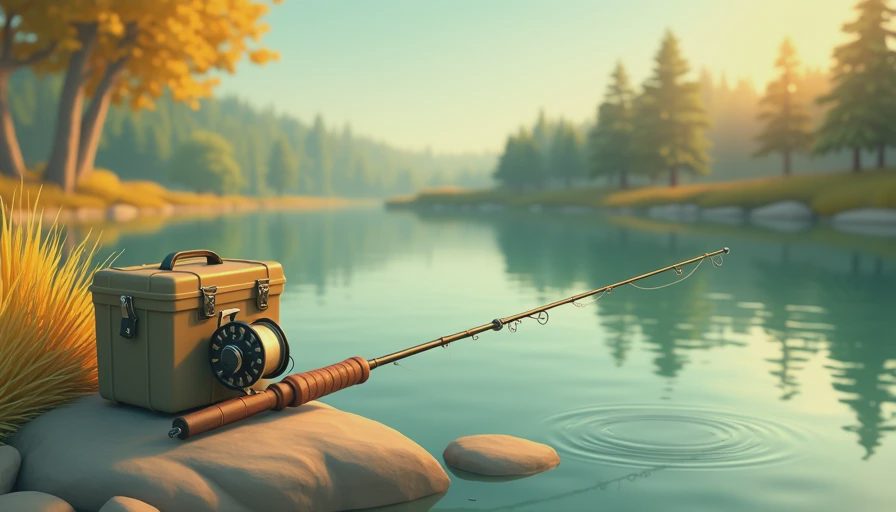
For Blue River fishing, I like a 9-foot rod in the 3-weight to 5-weight range, depending on wind and water. A 4-weight is the sweet spot most days. It has enough backbone to steer a fish away from the rocks, but it still lays line softly when the surface is slick. I’m not interested in a rod that punches through everything if it lands like a wrench in a coffee can. Soft presentation matters more than brute force here.
Leader setup matters too. A tapered leader in the 9- to 12-foot range is the right starting point, and I’ll add tippet if the water is extra skinny. A long leader helps keep the fly away from the splash of your fly line, which is about as subtle as a bad wheel bearing in a quiet garage. If I’m nymphing, I keep the rig simple: enough weight to get down, not so much split shot that it tumbles like a loose caliper bracket.
Flies and presentations that actually get eats
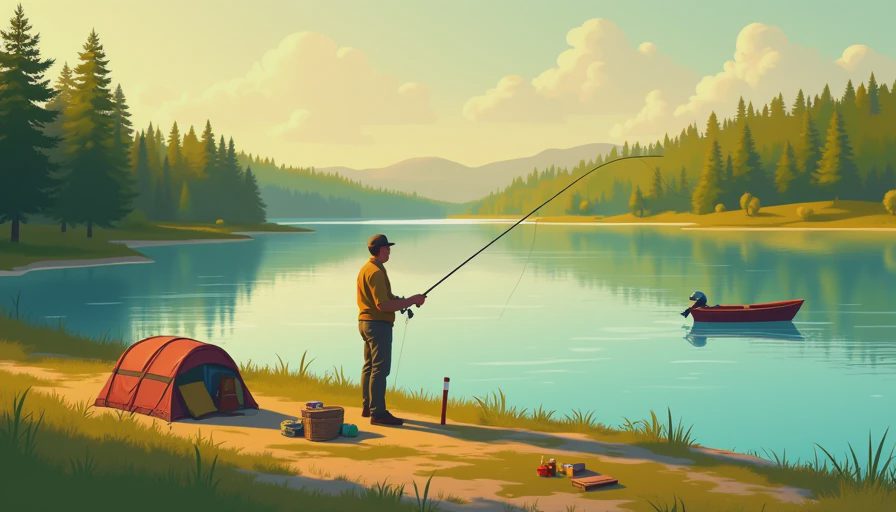
Blue River fishing is usually won with small stuff, not hero patterns. Think zebra midges in black, red, or olive; baetis nymphs; RS2-style emergers; and the kind of tiny mayfly imitation you can barely tie without good glasses. If there’s a surface feed, I’ll reach for a midge cluster, a small para adams, or a spent-wing mayfly pattern. The point is to match the size and the drift more than the label on the fly box. Trout don’t care what the package said at the shop.
My best days come when I stop pretending the fly is doing the work and start paying attention to the drift. A dead-slow mend upstream can save a nymph rig. A little slack on the surface can make a dry fly disappear instead of skating like a bad tire balance. If you want one practical rule, make it this: place the fly upstream, feed just enough line to let it sink or float naturally, and let the river do the talking. You are not trying to impress the fish. You are trying not to annoy it.
Reading the water like you mean it
A lot of anglers walk past the best spots because they look too small. On this river, a three-foot seam behind a rock can hold more fish than a long pool that looks pretty from the bank. I look for broken current, soft edges, and the green line where fast water meets slow water. That’s where a trout can rest without burning calories. It’s the same logic as finding the cleanest edge on a skate blade: the surface tells you what the machine is doing underneath.
I also watch the shadows. Morning and evening move fish around, and a bank that looks dead at 10 a.m. can come alive when the light drops. On bright days, the undercut banks, deeper slots, and shaded runs matter more. If you’re new to the river, spend ten minutes watching before you cast. You’ll learn more in that pause than in the first ten casts. I checked.
Timing the day without guessing
Blue River fishing changes with the season, the release schedule, and the weather that rolls over the divide. Early summer can bring solid nymphing, midsummer can get technical and thin, and fall can be one of the best windows if you like cool mornings and fewer people. If the water pushes up a little from a release or storm, streamers can become worth a look. If it stays low and clear, I stay small and quiet. That’s the whole board.
If you want the simple playbook, go early, go light, and be ready to change flies before the river teaches you a lesson. Keep an eye on Colorado Parks and Wildlife rules, because seasons and restrictions can shift. I’m not going to tell you to blindfold yourself with old advice when the current has already changed. The river doesn’t care what you read online.
Mistakes I see from the bank every week
The biggest mistake is overcasting. People make ten casts at one lane, never change the angle, and then blame the fly. The second mistake is using tackle that’s too heavy for clear water. Heavy line and oversized indicators can work in dirty water, but they ring the dinner bell here. The third mistake is moving too fast. If you rush a cast, you spook trout. If you rush a suspension job, you spook a customer. Same principle, different smell.
The last thing I’ll say is this: if you’re fishing with a buddy, let one person work a spot while the other watches the drift from a different angle. You catch more fish when somebody is actually paying attention to what the fly is doing. Blue River fishing isn’t about throwing more gear at the problem. It’s about fewer bad habits and cleaner execution. The bolt doesn’t lie.




No letters yet — pray write the first.