If you drive a white pick up truck, the first thing to know is this: the paint color is not the money leak most people think it is. In my shop, I have seen drivers blame white paint, black paint, and even chrome door handles for a higher bill. The bolt doesn't lie. The VIN, the trim, the mileage, the garaging zip code, and the way the truck is used tell the insurance story long before color does. If you want a lower premium, start with the parts that actually move the number.
Insurance companies look at how expensive the truck is to repair, how likely it is to be stolen or wrecked, and how much risk it carries when it leaves the driveway. A half-ton with a basic cab and steel wheels is one thing. A lifted diesel with 35s, a winch, and a $2,000 bumper is another animal. The same goes for whether the truck is a daily driver, a tow rig, or a weekend hauler. I have quoted the same family two very different numbers on two very similar trucks because one lived in a garage and the other lived outside under hail country skies.
Mileage matters too. A truck that racks up 20,000 miles a year usually costs more to insure than one that sees 7,000. So does who drives it. A clean record helps. A recent at-fault crash or a string of glass claims does not. If the truck is financed, your lender will usually want collision and comprehensive. If it is paid off, you get more control over whether those coverages still make sense. That is where real savings show up, not in the paint booth.
Aftermarket parts can change the conversation fast. A leveling kit may not scare anybody, but a tall suspension lift, oversized tires, lighting bars, ladder racks, a topper, and tool storage can push a claim higher if the truck gets damaged. Some carriers will cover accessories only up to a set limit unless you schedule them. I have seen a driver add $4,000 worth of parts and never tell the insurer. That is not a mod problem. That is a paperwork problem.

Why a white pick up truck still gets priced like any other truck
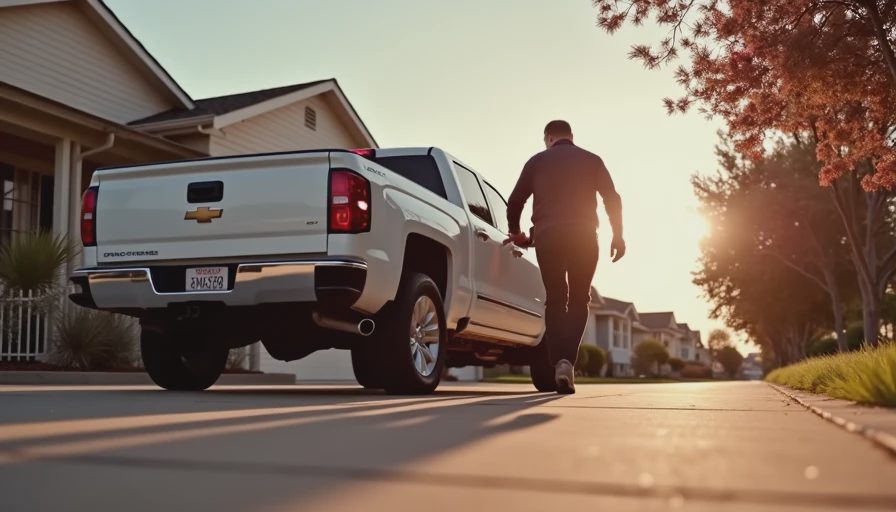
A white pick up truck does have one reputation advantage: it is common, it is easy to spot, and it usually does not look flashy. That can help with resale, and in some neighborhoods it is less tempting than a bright custom build sitting on beadlocks. But insurers are not out there giving discounts for looking like a fleet unit. They are pricing the truck based on risk, repair cost, and your record. White paint is just paint. It does not change the labor rate at the body shop or make a broken headlight cheaper to replace.
What does matter is the kind of truck under the paint. A work truck with vinyl seats, basic trim, and a factory bumper is often cheaper to insure than a loaded luxury trim with more expensive sensors, cameras, and panels. A newer truck with collision avoidance gear can save you from some crashes, but when that sensor gets hit, the repair bill climbs fast. I have seen a bumper job turn into a $1,600 headache because the parking sensor harness got crushed. That is why two trucks that look almost identical from across the lot can land in different price brackets.
Deductibles matter just as much. A $500 deductible versus a $1,000 deductible can shift the premium enough to notice, especially on a truck that lives a harder life. If you save $20 a month by raising the deductible, that is fine until a deer meets the grille on a cold December night. Then you are paying the difference out of pocket. I tell customers to choose a deductible they can actually write without sweating. A cheap premium that turns into a hard claim is not a win.
If the truck is older and worth less than the annual premium plus deductible, you need to look at the math instead of the habit. That is where drivers waste money. They keep full coverage because they have always kept full coverage, not because the truck still justifies it. A paid-off, high-mileage rig may need liability and comprehensive more than a full stack of coverages, but that choice should be based on actual value, not a guess.
Coverage choices for a white pick up truck that carries tools or toys
Liability is the floor. It pays for injuries and property damage you cause to other people, and it is the coverage every driver should price carefully because state minimums are often too thin for a serious crash. On a truck, collision and comprehensive are the next big decisions. Collision handles a crash with another vehicle or an object. Comprehensive handles theft, hail, fire, vandalism, glass, and deer hits. In the Rockies, comprehensive earns its keep faster than people think.
If the truck hauls tools, a camper shell, recovery gear, or a plow, ask how the carrier handles accessories. Sometimes a policy includes a small amount of aftermarket equipment coverage. Sometimes it does not. If you have a rack, a rooftop tent, expensive wheels, or a tuned diesel, make sure those items are either covered or capped in writing. Otherwise you will discover the gap only after a claim, and that is a bad time to start reading fine print.
Rental reimbursement and roadside assistance are cheap add-ons that make sense for a truck used every day. A broken belt or a shredded sidewall can strand you fast, and a truck tire is not cheap when you are running LT sizes. Roadside can cover towing, jump-starts, and lockouts. Rental can keep you moving while the shop waits on parts. Those two lines on the policy are boring until they are the only thing standing between you and a week of missed work.
How to compare quotes without getting smoked
Do not shop a policy by the monthly price alone. Shop the same liability limits, the same collision and comprehensive deductibles, and the same accessory coverage across every quote. Geico and Progressive are known for easy online quoting. State Farm and other agent-driven carriers are often better if you want a local person to walk through the details. The right choice is the one that gives you the coverage you actually need, not the one that just looks low on a screenshot.
A real comparison starts with three questions: how much is the truck worth today, how much can you afford to lose in a claim, and what parts or gear are mounted to it right now? A driver in a newer crew cab with factory wheels may need a different policy than a driver with a paid-off work truck, a topper, and a couple thousand dollars in bed tools. That is normal. The mistake is assuming both rigs should cost the same.
Here is a shop-floor example. I once helped a customer with a mid-2010s Ford F-150 who was paying for full coverage on a truck that had already crossed the point where the premium and deductible were eating too much of the value. We kept comprehensive, dropped collision, raised the liability limits, and saved real money without leaving the truck naked. Another customer with a newer Silverado kept collision because the truck was financed and the body and camera repairs would have stung hard. Same color, same county, different math.
If you are shopping for a white pick up truck, compare the same limits, the same deductibles, and the same accessories line by line before you sign. That is where the savings live. Not in the paint, not in the badge, and not in the salesman’s smile. The bolt doesn't lie.


No letters yet — pray write the first.