When people ask me about reliable suv brands, I don't start with glossy trim packages. I start with the service bay, the mileage on the clock, and what a family can live with after the third winter. A badge can look good on a lot, but the bolt doesn't lie. If a model keeps showing up with original drivetrains, sensible maintenance, and parts that don't cost a fortune, it earns a seat at the table.
What I look for in reliable suv brands
I judge them like I judge a lift kit: by the weak points. Engine design matters, but so do cooling systems, transmissions, wheel bearings, rust resistance, and how easy the common jobs are. A simple V6 with a chain-driven timing setup is usually less annoying than a turbo engine packed tight under plastic. A good SUV should also make brake work, filters, plugs, and sensors straightforward enough that a normal shop can do the job without billing you like a spaceship.
I also look at the pattern, not the hype. One clean unit proves nothing. Ten rigs with 150,000 miles and decent records tell a story. That is why reliable suv brands usually come from makers that have spent years refining the same basic platform instead of chasing a fresh gimmick every two seasons. A new design can be fine, but first-year problems are real. I have fixed enough coolant leaks, sticky infotainment screens, and transmission re-learns to know the difference between fresh paint and real engineering.

Brands that keep showing up on my lift
Among reliable suv brands, Toyota still earns the hard-earned nod. RAV4, Highlander, 4Runner, and the Lexus RX and GX have a long record of hanging in there if the owner changes fluids and doesn't ignore warning lights. Honda belongs in the same conversation with CR-V and Pilot. Mazda deserves more respect than it gets from people who only shop by advertising; the CX-5 and CX-50 have a solid reputation for clean driving manners and manageable repair bills.
Subaru is a mixed bag, but Forester and Outback buyers usually care about all-wheel drive, winter traction, and a practical cabin more than bragging rights. If maintained, they do the job. I am more cautious with anything that makes a big promise and then hides expensive hardware under the hood. The brands I trust most are the ones that keep the recipe simple and keep selling parts at sane prices. That matters when a wheel bearing, alternator, or control arm needs replacement at 140,000 miles.
How reliability changes insurance and ownership costs
Insurance is not magic, but reliability does show up in the math. A SUV that is common, easy to repair, and less likely to vanish off a trailer often lands in a friendlier place than a niche model with scarce parts. Claim severity matters. If a headlight module costs $1,300 and the bumper cover takes three weeks to arrive, the bill climbs fast. If the parts are everywhere and the body shop knows the vehicle well, the claim usually stays cleaner. That can help when you are shopping deductibles, collision coverage, and comprehensive coverage.
Reliable suv brands also make life easier when you compare quotes, because you are not paying for as much unknown risk. A 2-year-old family SUV with good safety tech can still have a decent premium if the trim is common and the theft rate is reasonable. The catch is that fancy headlights, radar cruise, lane-keep cameras, and giant wheels cost more to replace. So do panoramic roofs when they leak. The trick is to buy the right trim, not the flashiest one on the lot.
The used-SUV checklist I actually use
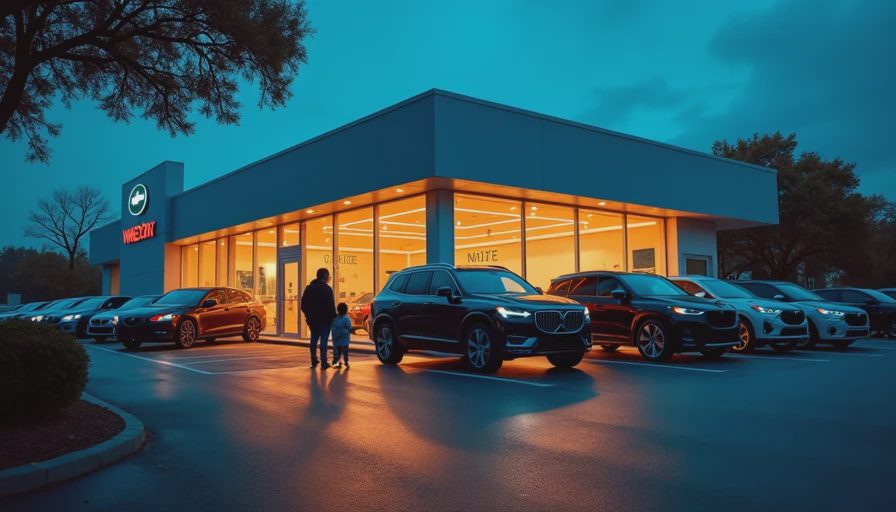
Before I buy any used SUV, I want service records first, not excuses. Oil changes every 5,000 to 7,500 miles are better than vague stories about 'synthetic forever.' I want to know if the transmission fluid was serviced, if the coolant was changed on schedule, and whether the brakes were done before the rotors turned into dinner plates. A pre-purchase inspection around $150 to $250 is cheap compared with a $2,000 suspension refresh or a $4,000 transmission problem.
Then I check the usual lies. Uneven tire wear tells me about alignment or worn bushings. Wet residue around valve covers and differentials tells me about leaks. A hard shift on the road test tells me somebody has been hoping the problem would disappear on its own. It never does. I also scan for recalls, look at the spare tire and jack, and listen for wheel bearing hum at 40 to 60 mph. That is the kind of detail you do not get from a polished listing photo.
The short list by job
If the SUV is for a commuter, I usually point people toward a RAV4, CR-V, or CX-5. If the job is hauling kids, dogs, and sports gear, the Highlander, Pilot, or CX-90-sized class makes sense because the cabin and cargo room are there without getting stupidly large. For snow country, Subaru still has a loyal following because all-wheel drive is standard on much of the lineup and the systems are predictable. For a body-on-frame rig that can take more abuse, the 4Runner and GX keep coming back into the conversation.
I am not saying the others are junk. I am saying you should buy for your actual life, not a forum comment written after midnight. A family that commutes 18 miles on salted roads has different needs than a driver who tows a small camper twice a month. Start with use case, then trim level, then insurance quote, then maintenance history. That order saves money. It also keeps you from paying for off-road hardware you will never use.
What I tell buyers before they sign
I keep one rule in the shop: the best SUV is the one you can afford to keep healthy after the purchase. If the payments fit but the tires, brakes, and annual insurance bill do not, the deal is wrong. A clean example with fewer options often beats a loaded one with neglected service. That is the same logic I use when I pick coffee beans. A fancy label is not the same thing as a good roast.
If you want reliable suv brands and you want fewer surprises in the driveway, start with the service history, the common failure points, and the cost of parts in your zip code. Then get quotes on the exact trim, not the brochure version. The bolt doesn't lie.



No letters yet — pray write the first.