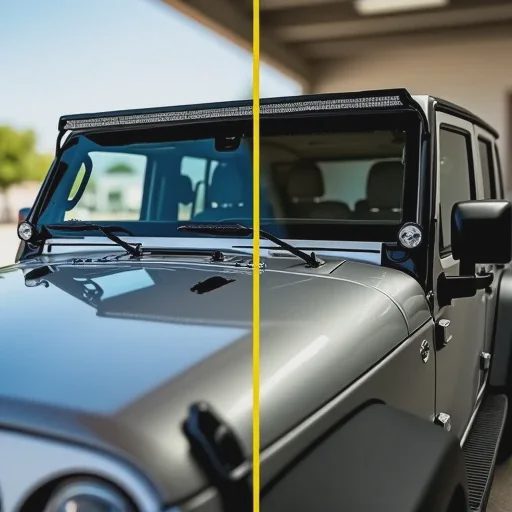
I don't normally buy parts on eBay. But when a customer sent me a link to a $47 snorkel and asked if it was worth installing, I had to find out for myself.
The listing looked convincing. "Heavy-duty." "Off-road rated." "Fits Jeep Wrangler JK 2007-2018." The photos showed a glossy black snorkel mounted on a shiny JK. The price was less than a tank of gas in my F-250.
I ordered it. It showed up in three days. I installed it on a shop JK that we use for testing. Then I pulled it off and cut it in half.
Here's what I found.
What Arrived in the Box
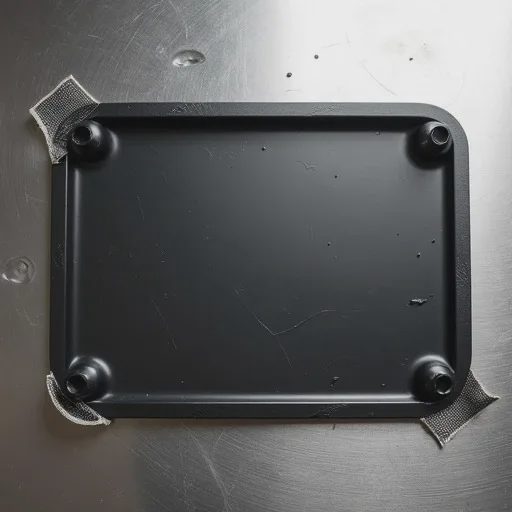
The box was crushed on one corner. Inside, the snorkel was wrapped in a single layer of bubble wrap. No instructions. No hardware bag. Just the snorkel body, the fender plate, and a roll of double-sided tape that looked like it had melted in the warehouse.
First impressions: the plastic was thin. Not injection-molded like an ARB snorkel. This was vacuum-formed. I could flex the main tube with my fingers. The fender plate was warped—it didn't sit flat against the fender without pressure. The intake head was a separate piece that clipped on. It was loose.
The Fit Test
I held it up to the fender. The bolt holes were close but not perfect. I needed to file one of the holes to get it to align. That's a red flag right there. A part that doesn't fit without modification is a part that was made to the wrong spec.
I drilled the fender. That's the part I hate—once you drill, you can't undrill it. If this snorkel failed, the holes would stay in the fender forever.
The Installation
The snorkel attached with four bolts through the fender. No gasket between the fender plate and the fender. Just plastic on metal. That's a recipe for rust. The air intake connected to the factory airbox with a rubber coupler that was too soft. It didn't seal properly.
The snorkel body attached to the A-pillar with two brackets. The brackets were thin metal with sharp edges. They scratched the paint on the A-pillar when I tightened them.
Forty-five minutes later, the snorkel was installed. It looked okay from 20 feet. Up close, you could see the gaps. The fender plate didn't sit flush. The A-pillar brackets were slightly misaligned. The intake head wobbled.
The Test Drive
I took it for a drive on the highway. At 65 mph, the snorkel created a noticeable whistle. The intake head was causing turbulence. The A-pillar brackets vibrated. I could hear them buzzing against the pillar.
I drove it for a week. The intake head developed a crack where it connected to the main tube. The plastic was too thin to handle the wind pressure and the vibration from the truck.
The Pull-Apart Test
After a week, I pulled it off. The fender plate had already started to rust where the bare metal was exposed to the elements. The A-pillar brackets had dug into the paint. The rubber coupler was covered in oil residue because it wasn't sealing.
I took the snorkel to the bandsaw and cut it in half. Here's what I saw:
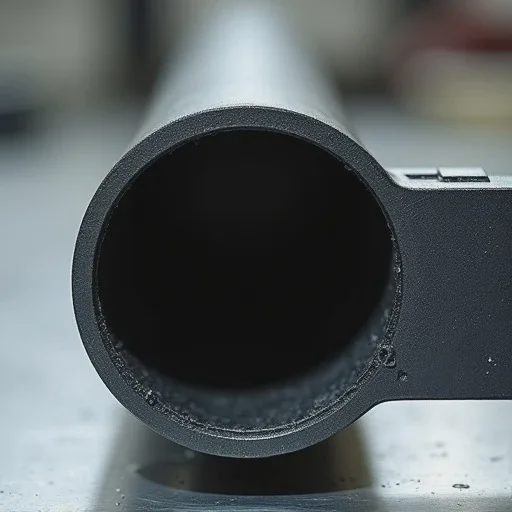
Wall thickness: 1.5mm. For comparison, an ARB snorkel is about 3.5mm thick.
Internal surface: Rough. The plastic had visible molding defects. There were burrs inside the tube.
Joint quality: The sections were joined with a cheap adhesive that was already cracking.
Fitment marks: The holes were misaligned. I could see where the bolts had worn the plastic.
What a $47 Snorkel Actually Does
Turbulence: The rough internal surface creates turbulent airflow. The engine has to work harder to draw air through a tube with more friction.
Restriction: The intake head is a cheap design. It's not shaped to flow air efficiently. It's shaped to look like a snorkel.
Debris: The intake head doesn't have a proper water/debris separator. Rain and dust can enter the intake system.
Vibration: The thin plastic transmits vibration directly to the A-pillar. That vibration is audible and annoying.
What It Doesn't Do
Keep water out: The seals aren't good enough. Water can leak in around the fender plate.
Last: The plastic will crack in a year. The brackets will rust. The coupler will dry out and split.
Fit correctly: It doesn't. It's close, but close isn't good enough on an air intake.
The Customer's Response
I sent the customer photos of the cut snorkel. He was surprised. "It looked so good in the photos," he said.
I told him the truth: "The photos are good. The part isn't. If you want to look like you have a snorkel, this will work for about six months. If you want a snorkel that actually snorkels, buy the real thing."
He ended up buying an ARB snorkel. It cost $450. It fit perfectly. The plastic was thick. The brackets were powder-coated. The intake head was a real design, not a copy. He installed it once and it's been on the truck for three years.
When a Cheap Part Is a Bad Idea
I'm not saying you need to buy the most expensive part every time. Some cheap parts work fine. But a snorkel isn't one of them.
The snorkel connects to your air intake. If it leaks, water and debris can reach the engine. If the plastic cracks, it can let in water at the worst possible moment. If the fitment is poor, the vibration can damage your fender.
A $47 snorkel is a decoration. A $450 snorkel is a tool. They look the same in a photo. They're completely different parts.
The Rule: Don't Drill Holes for Parts That Don't Work
My rule is simple. If a part requires cutting or drilling, it has to work. You can't undo a fender hole. You can't unpaint an A-pillar scratch.
A $47 snorkel might not seem like a big risk. But those fender holes are permanent. The rust they cause is permanent. The crack that lets water into your engine is permanent—until the engine hydrolocks.
The bolt doesn't lie. And neither does a cut-open snorkel.


No letters yet — pray write the first.