The jeep grand cherokee tow package is not just a receiver hitch bolted under the bumper. On the shop floor, I look for the hitch, wiring, cooling equipment, axle ratio, trailer brakes, and the vehicle's actual weight ratings. Leave one piece out and the Jeep might still pull a trailer around town, right up until heat, grade, or a crosswind exposes the shortcut.
I have seen owners buy a used Grand Cherokee because the seller said it had the factory package, then discover a universal hitch, a four-flat connector, and no transmission cooler. That is not the same setup. It is like tying a dry fly on a bent hook and blaming the trout when it lets go. Before you spend money on parts or insurance changes, identify what is really attached to the vehicle.
What the factory tow package should include
Depending on model year, engine, drivetrain, and trim, a factory-equipped Grand Cherokee can include a Class III or Class IV receiver, a seven-pin trailer connector, a wiring harness, upgraded cooling, a higher-capacity alternator, and software or hardware intended for trailer control. The exact contents changed across WK2 and WL generations, so the badge on the liftgate is not proof.
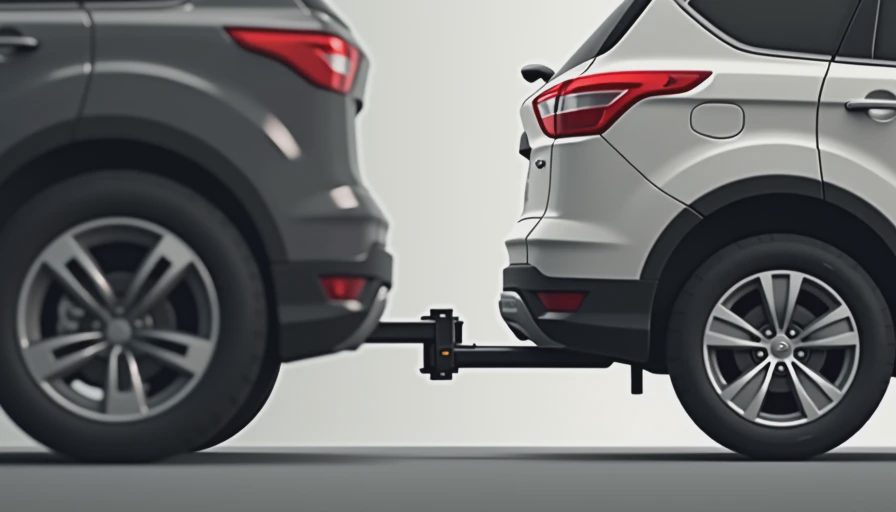
Start at the rear bumper. A factory receiver usually looks integrated and sits cleanly behind the fascia, with mounting plates tied into the frame rails. Look for a seven-way RV socket, not only a small four-flat plug. A seven-way connector supports running lights, brake lights, turn signals, a 12-volt auxiliary circuit, and an electric brake signal. The socket alone does not prove the Jeep has a brake controller, but it is a useful clue.
Then check the driver-door certification label and the owner's manual. The label gives the gross vehicle weight rating and combined rating; the manual gives the towing table. A Grand Cherokee with a V6, V8, diesel, two-wheel drive, or four-wheel drive can have different limits. The jeep grand cherokee tow package never overrides the lowest rating in that table.
How to identify a real package on a used Jeep
Bring a flashlight and inspect the receiver welds, safety-chain loops, and fasteners. Surface rust is common in snow country. Flaking metal, crushed tubing, elongated bolt holes, or a receiver that sits crooked are reasons to stop and investigate. I also look inside the hitch opening for impact damage; a bent receiver can hide after a plastic bumper is reinstalled.
Open the rear cargo trim if you can do so without damaging clips. Factory wiring generally uses proper connectors and protected routing. Scotch-lock taps, loose wires over the muffler, and a plug hanging from a zip tie tell me somebody installed parts in a hurry. I checked one Grand Cherokee where the seller called the jeep grand cherokee tow package “complete.” The seven-pin socket had no brake output because the harness was never connected at the front.
Check for a factory trailer brake controller or a compatible vehicle harness. A trailer with electric brakes needs a controller that can send a measured braking signal. A cheap time-delay unit can work, but proportional controllers usually provide smoother braking because they respond to the Jeep's deceleration. Do not assume the electronic stability system will control trailer brakes by itself.
Finally, look for evidence of cooling equipment. On some configurations, a larger radiator or transmission cooler is part of the towing setup. On others, the equipment depends on engine and trim. Do not install a cooler by copying a random forum photograph; confirm the line routing, fittings, and service procedure for your year.
Towing capacity is more than a brochure number
The headline maximum is normally based on a properly equipped vehicle, a specific trailer arrangement, a driver, and controlled conditions. Your usable limit falls when passengers, camping gear, recovery boards, tools, and cargo are loaded into the Jeep. A 5,000-pound trailer can become an overloaded combination quickly when tongue weight is added.
Tongue weight commonly needs to fall around 10 to 15 percent of loaded trailer weight for stable handling, but the Jeep's receiver rating and payload limit still control. For example, a 4,000-pound trailer could place roughly 400 to 600 pounds on the hitch. Add two adults, a cooler, a dog, and a full cargo area, and that payload disappears faster than most owners expect.
Use a scale when the numbers are close. Weigh the Jeep and trailer connected, then check axle weights if possible. A weight-distributing hitch is not a magic capacity upgrade. It can help manage front-axle loading on certain setups, but it must be compatible with the receiver, trailer, and manufacturer instructions. The jeep grand cherokee tow package gives you equipment; it does not repeal physics.
Parts I would add, and parts I would skip
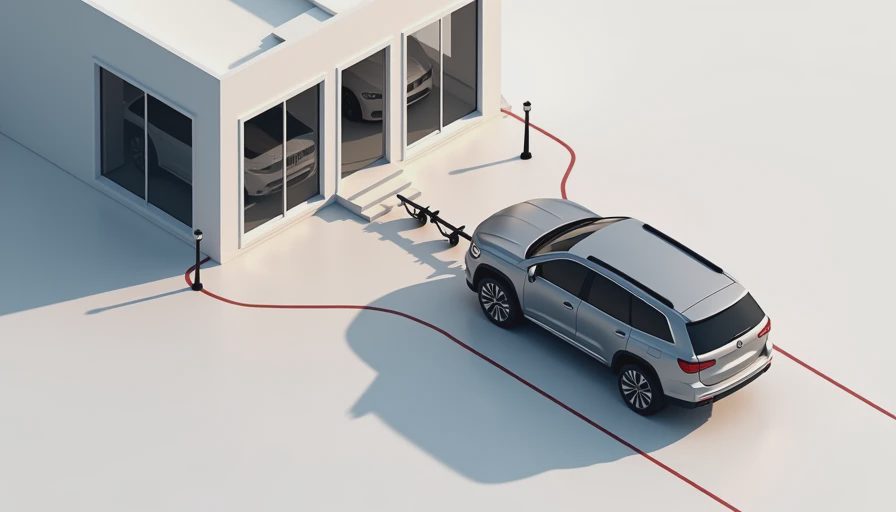
If the Jeep has the correct receiver but lacks a seven-way connection, install a vehicle-specific harness rather than splicing universal wire into the taillights. Use a quality brake controller when the trailer requires electric brakes. Curt, Tekonsha, Mopar, and Hopkins all offer products that can be appropriate, but the part number must match the Jeep's year and wiring architecture. Brand recognition is not a substitute for fitment.
I would also consider a transmission temperature monitor for frequent mountain towing, especially in Colorado grades. An auxiliary cooler can be useful, but only when correctly sized and plumbed. Oversized equipment with poor airflow is not an automatic improvement. I have removed coolers mounted flat against a blocked grille, where they looked impressive and did almost nothing.
Skip hitch extensions unless you truly need one. Every extra inch creates leverage and can reduce the rated capacity. Avoid cargo carriers that obscure the license plate or lights, and do not use a ball mount with unknown rating marks. The stamped capacity on the mount, hitch, ball, and coupler should meet the job; the weakest component wins.
My pre-trip inspection for a Grand Cherokee
I use the same short process whether the Jeep belongs to a customer or sits in my own driveway. First, confirm the ball size matches the trailer coupler and torque the ball according to its manufacturer instructions. Second, cross the safety chains under the coupler, leaving enough slack for turns without letting them drag. Third, test every light with a helper or a phone camera.
Next, connect the breakaway cable to the Jeep's dedicated attachment point, not around the safety-chain hook. Check the trailer battery, tire pressure, wheel bearings, and lug nuts. On the Jeep, inspect the receiver bolts, rear suspension, tires, and brake pedal feel. After a few miles, stop and check for hot hubs, a loose strap, or a shifting load.
The first drive should be boring. Accelerate gently, brake early, and make a low-speed turn in an empty lot. If the trailer pushes the Jeep, sways, or makes the steering feel light, stop and correct loading or brake settings. Do not cure sway by simply driving faster.
When professional help is worth the money
A basic inspection can cost less than a tank of fuel, while a correct wiring and brake-controller installation commonly runs from roughly $150 to $500 in parts and labor, depending on the Jeep and trailer. That is cheap compared with replacing a burned transmission, a damaged bumper, or a trailer that got loose on a downhill grade.
Bring the vehicle identification number, model year, engine, drivetrain, and trailer specifications to the installer. Ask for the receiver rating, wiring test, brake-controller test, and a written explanation of any capacity limitation. A shop that cannot show where the rating came from is guessing.
The right jeep grand cherokee tow package is a system, not a shiny hitch. Verify the label, inspect the bolts, test the wiring, weigh the combination, and set the trailer up for the actual load. I have been wrong about a suspected hitch problem before; the bolt doesn't lie, but it does require you to put a wrench on it.

No letters yet — pray write the first.