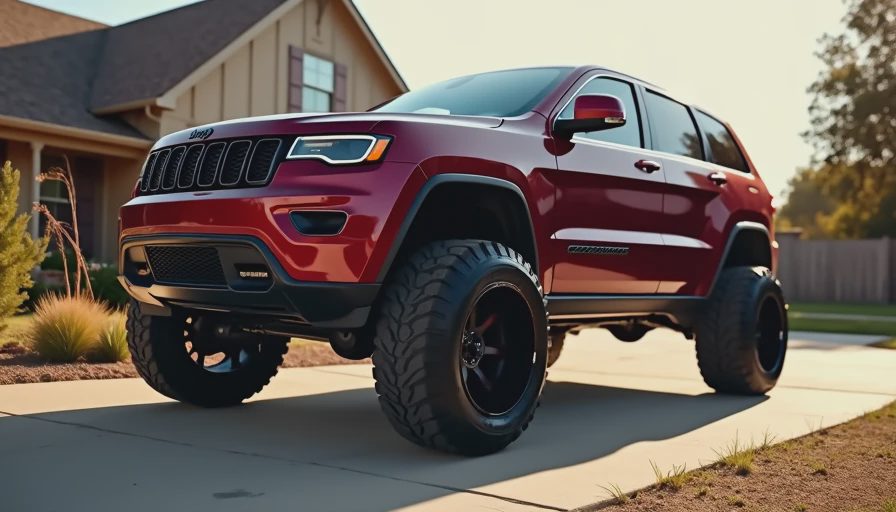
A Jeep Grand Cherokee lifted in a driveway photo looks ready for Moab. Underneath, it might be one pothole away from a steering problem. I have worked on enough of these to know the difference between a suspension build and a pile of shiny parts. The difference is measurements, alignment, and knowing which factory components were never designed for the new angle.
The Grand Cherokee is a capable SUV, but it is not a Wrangler with extra doors. The WK2 platform, built from 2011 through 2022, uses independent front and rear suspension. That makes it comfortable on pavement and more complicated to lift correctly. A lift changes axle angles, control-arm position, steering geometry, brake-line travel, and the load placed on CV joints. The bolt does not care how good the social-media photo looks.
Pick the lift height before buying tires
For most daily-driven Grand Cherokees, I prefer a 2-inch to 2.5-inch suspension lift. That range adds useful clearance without turning every alignment appointment into a negotiation. A quality kit should include springs or spacers matched to the vehicle, longer or properly engineered shocks, bump-stop extensions when required, and hardware that fits the specific trim.
A 3-inch lift can work, but the margin gets thinner. You may need adjustable control arms, correction brackets, extended sway-bar links, and more careful attention to front-end clearance. A 4-inch setup is not a casual weekend modification. It can require substantial geometry correction and a tire size that exposes the limits of stock axles, wheel bearings, and CV shafts.
Tire choice is where many owners spend the budget backward. A 2.5-inch lift with a 32-inch all-terrain tire often drives better than a taller kit with an overly wide tire rubbing the pinch weld. Measure at full steering lock and full compression, not with the Jeep parked pretty in front of the garage.
The parts that decide whether it drives straight
The first Jeep Grand Cherokee lifted build I inspected that week had a new steering shake at 55 mph. The owner blamed the tires. The tire shop blamed the lift. I checked. The front lower control-arm bushings were worn, one tie-rod end had play, and the alignment was outside a reasonable range.
That is the normal diagnostic order: inspect ball joints, tie rods, control-arm bushings, wheel bearings, and CV boots before installing taller springs. New suspension parts cannot repair old looseness. If the steering wheel moves when a helper rocks the tire at the 3-and-9 positions, find the worn component before chasing balance weights.
After installation, get a four-wheel alignment with a printout. Do not accept “it feels fine” as a measurement. Excessive toe can destroy expensive tires quickly, while incorrect camber can make the vehicle pull or wander. Recheck ride height after several hundred miles, then retorque suspension hardware at normal ride height where the manufacturer specifies it. Tightening bushings while the suspension hangs can preload the rubber and shorten its life.
What actually fits under a lifted Grand Cherokee
A common practical target is a 265/65R17 or similar 31.5-inch tire, depending on wheel offset, trim, and lift design. Some owners fit larger tires, but clearance is not determined by diameter alone. Width, offset, caster, fender liner shape, and compression travel all matter.
Wheel spacers deserve special caution. A cheap spacer can create hub-fitment problems, alter scrub radius, and loosen if the mating surfaces are dirty or the installation torque is wrong. If you use them, select hub-centric parts from a reputable manufacturer and inspect the studs regularly. I would rather see a correctly chosen wheel than a bargain spacer used to force an incompatible tire into place.
Carry a real spare. A temporary tire that cannot match the rolling diameter of the other tires can create trouble for the drivetrain, particularly on systems that rely on consistent wheel speed. Check the spare clearance before the first trail trip. Finding out it will not fit after a sidewall failure is a poor kind of education.
The insurance questions owners skip
A Jeep Grand Cherokee lifted may not be rated the same way as an unmodified SUV. When you request a quote, tell the insurer about the lift, wheels, tires, bumpers, winch, skid plates, lighting, and suspension upgrades. Some companies cover permanently installed equipment only up to a limited amount unless you add custom-parts or equipment coverage. Other insurers may not offer the same protection for heavily modified vehicles.
Liability coverage pays for damage or injuries you cause to others, subject to your policy limits. Collision coverage generally addresses damage from a crash involving your vehicle, while comprehensive coverage commonly applies to events such as theft, hail, falling objects, or animal strikes. Neither automatically means every aftermarket part will be replaced at its full purchase price.
Ask specifically how a claim would value the modifications. Keep receipts, part numbers, installation invoices, and clear photographs taken before a loss. A $2,000 lift, $1,800 wheel-and-tire package, and $1,200 bumper do not disappear from the claim conversation just because the factory window sticker never listed them. Get the answer in writing before paying the premium.
A realistic build budget
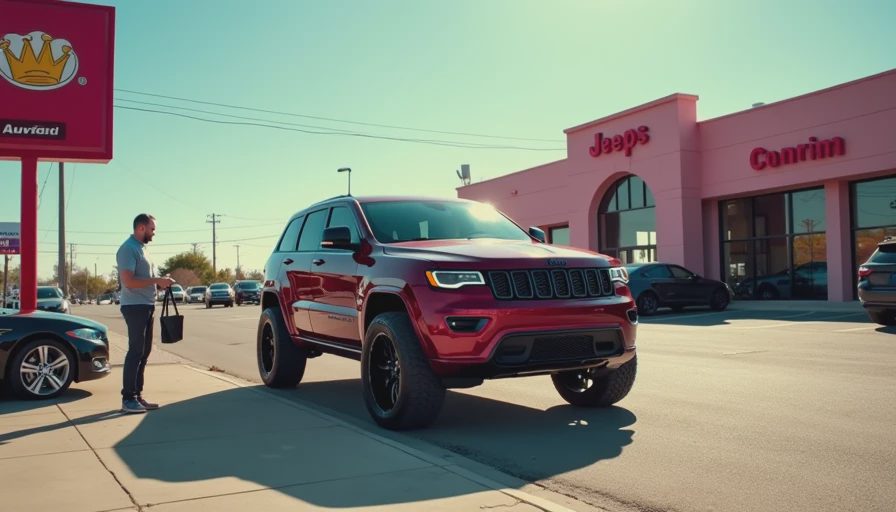
A sensible 2-inch suspension package can run roughly $700 to $1,500 for parts, depending on whether it includes shocks and adjustable components. Installation and alignment commonly add another $500 to $1,000 at an independent shop. A complete tire and wheel package can add $1,500 to $3,000, with premium all-terrain tires at the upper end.
The expensive part is not always the original purchase. If the wrong offset causes rubbing, you can buy spacers, liners, control arms, and another alignment while still having the wrong answer. I once corrected a build that had spent nearly $1,000 on cosmetic fixes before the owner finally agreed to return to a narrower tire. The correct fix cost less than the detour.
Save money on appearance before saving it on steering hardware. A steel bumper can wait. Worn ball joints cannot. A roof rack can wait. Tires with proper load capacity cannot. Build the vehicle in the order the road will test it.
My inspection sequence before the first trip
With the vehicle on level ground, measure hub center to fender lip at all four corners and record the numbers. Inspect every brake hose through full steering and suspension travel. Check that the front driveshaft, CV boots, exhaust, and sway-bar links do not contact nearby parts. Verify lug torque with a calibrated wrench, then mark the fasteners so movement is visible during early inspections.
Drive slowly first. Listen for a clunk over diagonal driveway entrances, braking transitions, and tight turns. Then test highway tracking on a calm road. Recheck tire clearance after that drive, because fresh suspension may settle and expose contact that was not obvious in the shop.
Emma's Jeep update: my daughter is not driving the shop Jeep yet, but she already knows the rule. Before a trip, she checks the tire pressure, looks under the vehicle, and asks whether I checked the lug nuts. That is a better habit than memorizing a lift brand.
The shop verdict
A Jeep Grand Cherokee lifted can be an excellent compromise for forest roads, snow, and moderate trails when the build respects the platform. I would choose a moderate lift, quality shocks, properly sized tires, fresh steering components, and a documented alignment before chasing extreme ground clearance.
Call your insurance agent before installation, not after a claim. Price the modified parts honestly, photograph the work, and keep the receipts. Then inspect the hardware after the first 50 to 100 miles and again after the first hard trail day.
The internet will sell you height. The road will test control. The bolt does not lie.

No letters yet — pray write the first.