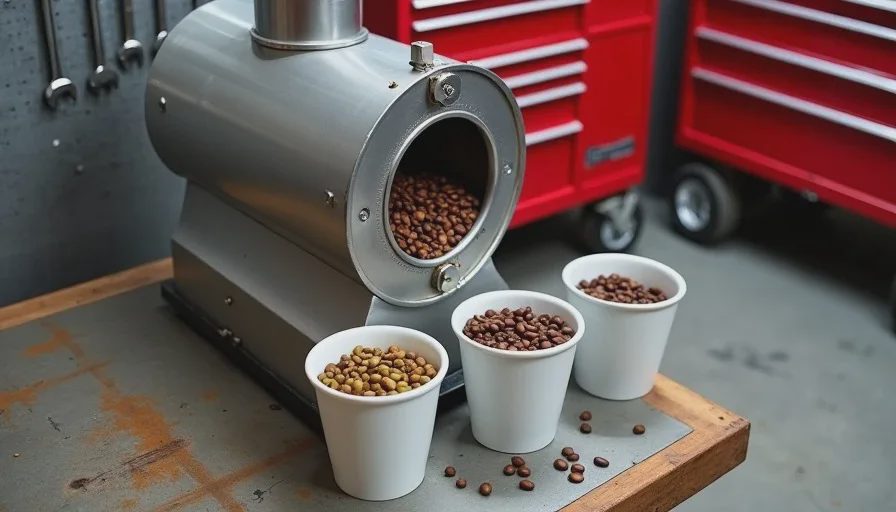
I've been roasting coffee in the corner of the shop for seven years. It started when Linda bought me a Gene Cafe roaster for our anniversary. She knew I needed something that wasn't wrenches and torque specs. Coffee became that thing.
A bag of green beans landed on my workbench last week. Guatemalan Huehuetenango. I've roasted this bean before. It's one of my favorites. But this time, I decided to roast it three different ways: light, medium, and dark. I wanted to see how the same bean changed with temperature and time.
What I tasted surprised me. One of them tasted exactly like a worn-out suspension bushing.
The Process: Three Roasts, One Bean
I weighed out 200 grams of green beans for each roast. Same bean lot. Same roaster. Same cooling method. The only variable was temperature and duration.
Roast 1: Light (City Roast)
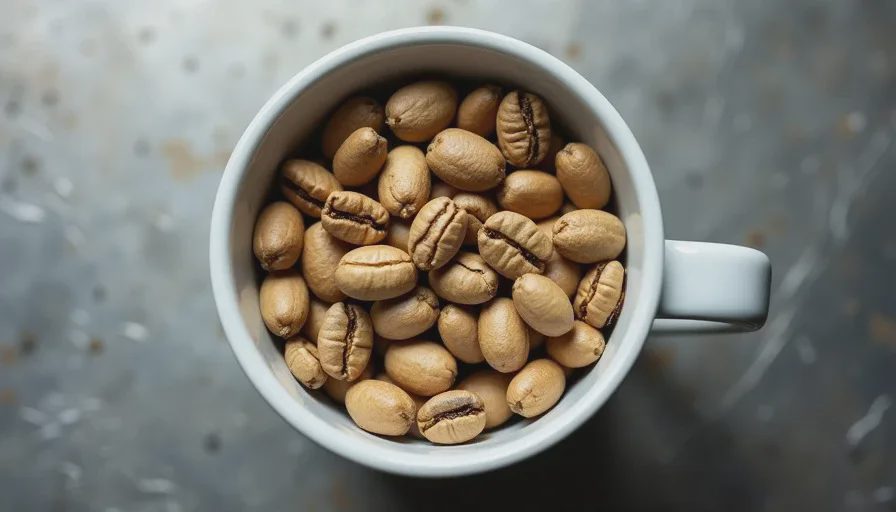
First crack at 12 minutes. I pulled it immediately. Stopped the roast at 385°F. The beans were light brown with some visible chaff still clinging. The surface was matte.
Color: Light brown, mottled
Surface: Matte, dry
Aroma: Floral, citrus, grass
Taste: Bright, acidic, tea-like. Clean but thin.
Roast 2: Medium (Full City)
First crack at 12 minutes. I let it run to 410°F. The beans went through first crack, then the cracks slowed. I pulled it just as second crack started. The beans were medium brown with a subtle sheen.
Color: Even medium brown
Surface: Some oil, slight sheen
Aroma: Chocolate, caramel, nuts
Taste: Balanced. Sweet acidity. Full body. This was the roast I expected.
Roast 3: Dark (French Roast)
First crack at 12 minutes. I let it run to 430°F. Second crack started and I let it develop for 90 seconds. The beans were dark brown with visible oil on the surface.
Color: Very dark brown
Surface: Oily, glossy
Aroma: Smoke, char, earth
Taste: Dark and smoky. Very low acidity. Heavy body. This is the roast that tasted like a worn-out bushing.
The Bushing Connection
I tasted the dark roast and couldn't shake the association. It was smoky, earthy, and had a slight bitterness. The mouthfeel was heavy. It reminded me of the smell of a worn-out suspension bushing I had just pulled off a customer's truck—burned rubber, old grease, and heat.
I'm not saying it was unpleasant. It wasn't. But it was unexpected. It had character. It was the kind of coffee that sticks with you.
The medium roast was good. Balanced. Safe. The kind of coffee you'd serve a guest. The light roast was interesting but thin. The dark roast was the most complicated. It reminded me of the shop.
What This Taught Me About Quality
Here's the thing about coffee: a good bean can handle a dark roast. A bad bean can't. If the bean is low quality, a dark roast just makes it bitter and ashy. If the bean is high quality, the dark roast brings out complexity. You taste the bean, not just the roast.
Suspension parts are the same way. A good part is a good part, no matter how you use it. A cheap ball joint is a cheap ball joint—you can't upgrade it. You can't tune it. You can't make it better. It's a void filled with grease and hope.
The Parallel
Coffee roasting teaches you patience. You can't rush a roast. You have to listen—the first crack tells you where you are. The second crack tells you to pay attention. If you walk away, you ruin the batch.
Diagnostics are the same. You have to be present. You have to listen. If you rush, you miss something. If you walk away before you confirm the diagnosis, you send a customer home with a truck that's still broken.
Coffee and Camber
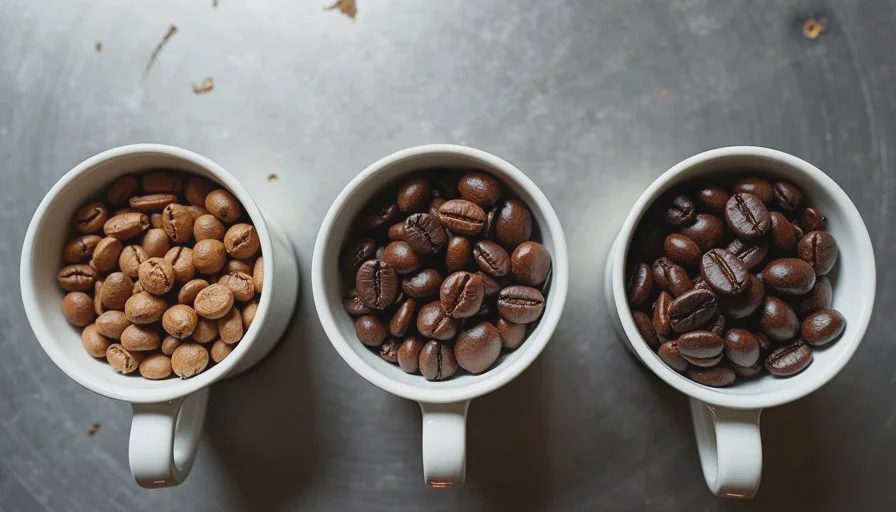
I realized something standing in the shop, cupping three roasts side by side. Coffee and camber are the same thing: small adjustments make a big difference. One or two degrees of camber changes how a tire wears. One or two degrees of roast changes how a coffee tastes.
The best cup I made that week was the medium. It was balanced. It was predictable. It was the roast that makes sense for a daily drinker.
The dark roast was more memorable. It had personality. It tasted like the shop. It was the roast that I'd choose when I want to think.
The Coffee I Keep in the Shop
I keep a medium roast on the workbench. It's accessible. It's pleasant. It's what I offer to customers.
But sometimes, when I'm in the shop early, before the phone rings, I roast a dark batch. I let it go further than I should. I push the bean.
It's the same approach I take to diagnostics. Sometimes I push a truck harder than I need to. I look for the problem that isn't obvious. I go deeper. The result is a better fix, not just a fix.
The bolt doesn't lie. And neither does a well-roasted bean.


No letters yet — pray write the first.