An inside truck bed tool box should make a truck easier to work out of, not turn the bed into a noisy junk drawer. I see this problem a lot in Silverthorne. A driver buys a nice crossover box, throws in a dozen random tools, then wonders why the lid leaks, the tray rattles, and the tailgate looks like it lost a fight with a shovel. The fix is not fancy. Pick the right box, mount it solid, and decide what earns a permanent spot inside it before you start filling every corner.
I tell people to treat the box like a fly box, not a kitchen junk drawer. If every slot has a job, you can reach what you need in the dark, in the rain, with cold fingers, and without dumping half the bed to find a 10 mm socket. That matters on a trail, but it also matters when you are on the shoulder of I-70 at 6 a.m. and the only thing between you and a long walk is the kit you packed last week.
What should live in the box
The best loadout is the stuff you use often enough to miss, but not so often that it belongs in the cab. I keep a 3/8-inch socket set, a breaker bar, a small torque wrench, tire plugs, valve stems, gloves, zip ties, a headlamp, and a compact first aid kit in mine. If the truck has room, a tow strap, a snatch block, and a pair of work gloves stay there too. On a full-size truck, you can still fit a cordless impact and a charger, but I would not leave lithium batteries baking through a July afternoon if the box sits in direct sun all day.
What does not belong is everything you own. If you toss in old hose clamps, dead flashlights, half-empty spray cans, and three different spare keys you never labeled, the box turns into dead weight. A clean inside truck bed tool box should support a tire change, a belt swap, or a busted hose repair without making you hunt through trash to get there. That is the whole game.
I also like hard rules for seasonal gear. In winter, keep chains, recovery gloves, a scraper, and a small shovel if the box has room. In summer, swap the chains for extra water and a compact air gauge. That rotation keeps the box from becoming a museum of old road trip stuff.
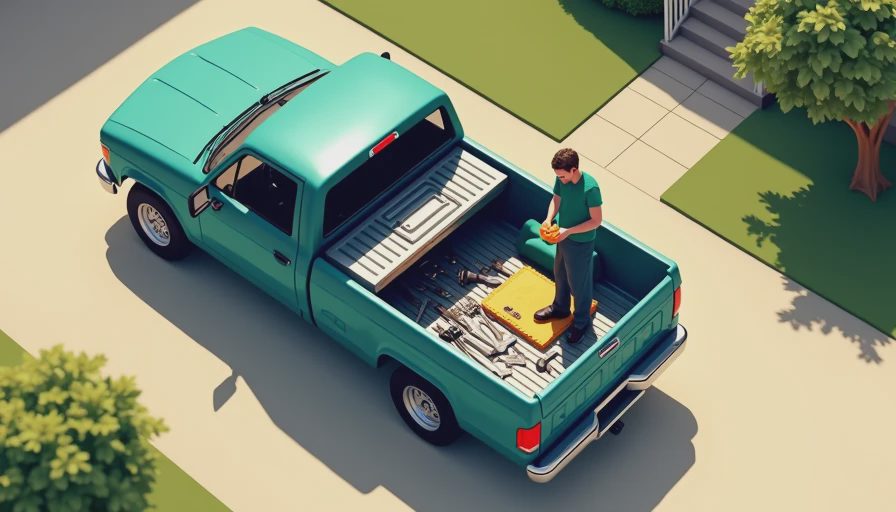
Keep water, dust, and theft out
The first thing I tell people about an inside truck bed tool box is this: water finds weak seals. If the lid gasket is thin, warped, or glued on crooked, you will eventually open the box to find dusty sockets and a damp rag that smells like a swamp cooler. Better boxes from Weather Guard, UWS, and similar heavy-duty makers usually use stronger lids and better seals than bargain units, but even a good box needs care. Wipe the gasket clean, keep the latch adjusted, and do not slam it shut with a wrench caught in the lip.
For most drivers, the sweet spot is a midrange box in the $350 to $900 range. Budget boxes around $250 can work if they stay dry and the truck lives a gentler life. Heavy-duty boxes can run $1,000 or more, especially if you want thicker aluminum, better locks, or powder coat that does not look tired after one winter. I have seen plenty of cheap boxes survive. I have also seen cheap boxes leak, dent, and rattle themselves into retirement.
Dust is the other thief. If you drive gravel, the fine stuff gets into everything. A rubber mat under the tools helps. Foam inserts help more. Even a couple of removable plastic trays are worth it because they keep small fasteners from migrating under the big sockets. I like a box that lets me hear the tools move a little, but not bounce like loose bolts in a coffee can.
Security is simple math. If a thief can see expensive cordless tools through the bed cap window, the lock is already losing. Keep the high-value stuff out of sight, use a real lock, and do not leave the spare key clipped under the bumper like a movie prop. That trick works until someone who knows trucks walks by.
Mount it like it belongs there
Mounting is where a lot of people get lazy. A crossover box should sit flat on the bed rails or on the supplied brackets, not perched on scraps of wood or tightened down with rusty hardware from a coffee can. Use the fasteners that fit the box, add large washers or backing plates where the sheet metal needs help, and check the clamps after the first rough road. A loose box hammers the bed rails, scrapes paint, and starts a rattle you will hear over the exhaust.
I have pulled plenty of boxes that looked fine from ten feet away and were barely hanging on underneath. One customer had a box shift just enough to chip the cab corner and dent the tailgate when the bed flexed on washboard. He thought the box was “close enough.” I checked. The rear clamp had walked loose, and the front mount had never been snugged evenly. Thirty minutes with the right hardware would have saved him a dent and a headache.
Weight matters too. A steel box can weigh more than a decent set of tools before you load it. Aluminum is lighter, which helps if the truck already carries a topper, rack, or recovery gear. If you are hauling a lot of mass in the bed, keep the load balanced and avoid stacking the heaviest items all the way back against the tailgate. That extra weight changes how the truck rides and how fast the rear suspension settles after a bump.

A real-world loadout for weekend rigs
If the truck sees towing, trail work, or home-repair duty, I like to build the box around one simple question: what will stop me from getting stranded today? For a half-ton family truck, that usually means a plug kit, compressor hose, jumper pack, fuses, spare belts, a utility knife, tape, and the right sockets for the wheels and battery. For a Jeep or midsize truck, I cut the duplicate gear and keep the box lean so it does not eat bed space you need for fuel cans, camp bins, or a cooler.
Here is the mistake I see all the time: a driver loads the box with tools they might need someday, not the ones they will reach for in the next six months. That is how a box turns into a rattling archive. Build it the way I build a coffee roast. You do not keep every bean at the same heat because it sounds efficient. You match the heat to the bean, pull it at the right moment, and leave out the junk. Same idea here. If a tool has not earned its place after a season, move it out.
One more thing on daily use. Put the most common items near the front, not buried under recovery gear. If you always need the tire gauge and flashlight first, they should come out without moving three heavy sockets and a greasy strap. That sounds obvious until you are on a dark roadside with your hands freezing to a steel latch.
If you buy an inside truck bed tool box for the right job, it will feel boring in the best way. It opens when you need it, stays dry when the weather turns, and keeps the truck bed from turning into a scrapyard on wheels. That is the whole point. The bolt doesn't lie.




No letters yet — pray write the first.