If you came here because the steering wheel shook hard enough to blur the dash, you are not alone. Knowing how to fix a jeep death wobble starts with the front end, not the steering stabilizer everybody likes to blame first. On a Wrangler or Gladiator with a solid axle, one loose part can turn a mild shimmy into a violent shake at 45 to 60 mph. I have seen stock Jeeps and lifted Jeeps do it, and the fix usually lives in the metal you can bolt down, not the shiny part hanging in the middle.
What death wobble actually is
Death wobble is not a mystery vibration. It is a violent oscillation in the front axle after the suspension gets bumped, usually by a pothole, expansion joint, or washboard road. Once it starts, the wheels and axle feed the shake back into each other until the driver slows down enough for it to stop. That is why a Jeep can feel fine around town and then go crazy on the highway after one sharp hit. The problem is almost always looseness somewhere in the steering or suspension.
The track bar is the first place I look. If the axle can shift side to side, the whole front end can walk itself into a wobble. After that comes ball joints, tie rod ends, drag link ends, control arm bushings, and wheel bearings. A tire with a broken belt can also start the whole mess. If you only swap a steering stabilizer, you are usually just quieting the symptom for a little while.
Start with the parts that can move
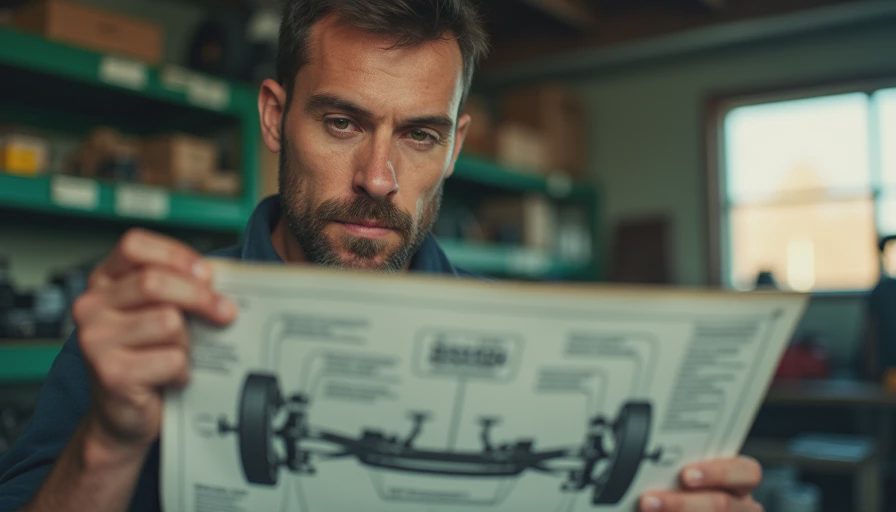
When a Jeep rolls into my shop, I start with the wheels off the ground and both hands on the tire at 12 and 6 o'clock, then 3 and 9. I am checking for movement, not noise. A little slop in a ball joint, a loose unit bearing, or a worn tie rod end can hide until the front axle gets shocked at speed. I also check every track bar bolt and frame bracket because that is where the axle shift starts more often than owners want to hear.
That is the first honest step in how to fix a jeep death wobble: find the part that is actually loose. I also look for shiny witness marks around bolt holes, because metal tells on itself. If the bolt has been working, the hole will show it. Factory hardware that was installed once and never rechecked can loosen after a lift, a wheel swap, or a few thousand miles of Colorado washboard. The bolt doesn't lie.
Why the steering stabilizer gets blamed
A steering stabilizer can make a Jeep feel better, but it does not cure wobble by itself. Think of it like putting a heavier drag on the line while fly fishing. It can calm the feel in your hand, but it does not fix the snag downstream. I have seen people bolt on a new stabilizer, drive home smiling, and come back two weeks later because the front end was still loose. The shake comes back when the part that is worn keeps moving.
That is why I do not start with the stabilizer unless it is leaking or blown apart. A good one costs money, usually about $50 to $150 for common replacement units, but it is not the first check. If your Jeep has play in the steering linkage or track bar, spend the money there first. A stabilizer is the last part you replace after the rest of the front end is tight and the alignment is right.
Lifts, tires, and alignment are part of it
Lift kits change geometry, and geometry is where a lot of bad advice dies. A Jeep with a 2.5-inch lift and tired factory parts can wobble even if it looks clean from ten feet away. Bigger tires add leverage, and cheap wheel spacers or a poor aftermarket track bar can make the axle sit off center. When that happens, I check caster, toe, and axle centering before I ever blame the tires. On many Wranglers, a proper front-end inspection and alignment runs about $150 to $300, which is cheap compared with guessing.
Tire balance matters too, especially if one tire has a broken belt or a wheel weight got tossed in the mud. A road-force balance can catch problems a normal spin balance misses, and that is worth the extra shop time on a Jeep that shakes at highway speed. If the tires are old, cupped, or worn unevenly, they can feed the wobble even after the loose parts are fixed. This is the part people skip, then wonder why the shake still shows up at 55 mph.
What I tell a customer before I touch the wallet
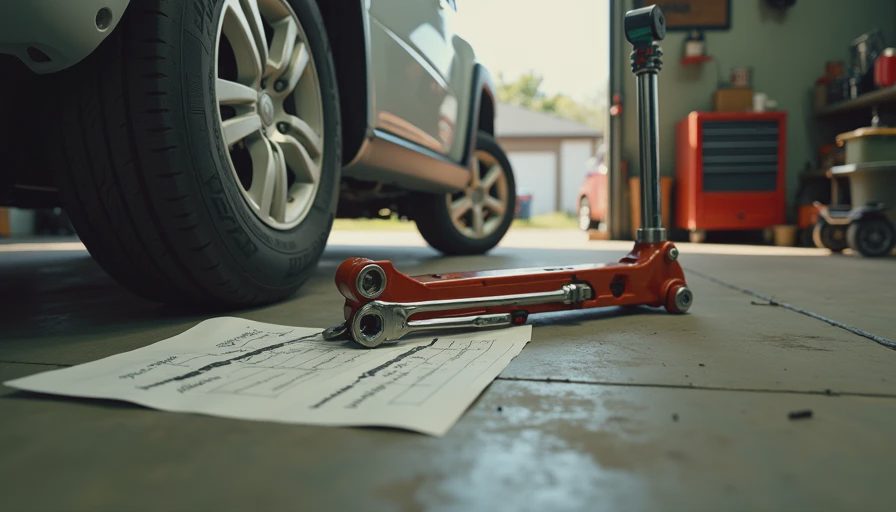
Emma's Jeep update: if a used Wrangler came into my bay with 120,000 miles, a lift, and a steering wheel that dances at 50 mph, I would not sell parts before I saw the front axle on the rack. I want the whole picture, because death wobble usually shows up after a chain of small misses, not one giant failure. One loose track bar bolt, one tired ball joint, one bent wheel, and suddenly the driver thinks the whole Jeep is cursed.
A proper repair might be as simple as tightening and torquing hardware to factory spec, or it might turn into a front-end rebuild with ball joints, tie rod ends, a track bar, and an alignment. That kind of job can run from $600 to $1,500 depending on parts and labor, and it is still cheaper than chasing the problem for months. If you are doing it in the driveway, work from the axle outward and recheck every fastener after the first 100 to 200 miles. If you want a shop to do it right, ask for a front-end shake inspection, not a parts lottery. Knowing how to fix a jeep death wobble is mostly about refusing to guess. The bolt doesn't lie.

No letters yet — pray write the first.