If you have ever asked, "what does a stabilizer bar link do," you are looking at one of the smaller parts on a truck or SUV that has an outsized effect on handling. A stabilizer bar link, also called a sway bar link or anti-roll bar link, connects the stabilizer bar to the suspension. Its job is simple: transfer suspension movement into the bar so the vehicle resists leaning in a corner.
That explanation sounds dry until you drive a 5,000-pound SUV with a loose link on a mountain road. The steering feels vague, the body rolls farther than it should, and a sharp bump produces a metallic knock. The link is not holding the whole vehicle together, but it is part of the chain that keeps the tires planted when the road gets uneven.
What the stabilizer bar and link do together
The stabilizer bar is a spring-steel rod running across the vehicle, usually between the left and right suspension assemblies. When the truck corners, the outside suspension compresses while the inside suspension extends. That difference twists the bar. The bar pushes back against the unequal movement, reducing body roll.
The link is the short connection between the bar and a control arm, strut, or other suspension component. It needs to pivot as the suspension travels, which is why most links use ball-and-socket joints or bushings. If you are still wondering what does a stabilizer bar link do, think of it as the messenger. The bar provides the resistance; the link delivers the suspension movement to it.
A healthy link should be tight but not locked solid. It has to allow the suspension to move up and down while preventing unwanted looseness. That balance matters on a Tacoma crawling over rocks, a Wrangler crossing a washboard road, or a stock Ford Explorer taking an exit ramp.
Symptoms of a worn stabilizer bar link
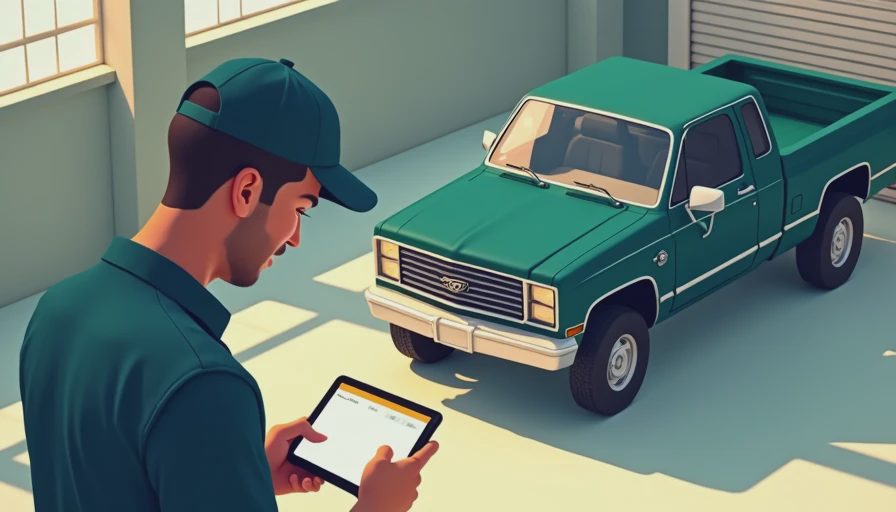
The classic symptom is a clunk over small, repeated bumps. I hear it most often when a customer pulls into the shop and says the front end sounds like someone dropped a socket inside it. The noise may be louder on one side, especially when one wheel hits a pothole before the other.
Other signs include excessive body roll, a nervous feeling during quick lane changes, and uneven handling over rough pavement. A failed link does not usually cause the steering wheel to shake at highway speed. That symptom points more often toward tire balance, a bent wheel, tie-rod wear, or a damaged ball joint. This distinction saves people from replacing the wrong part.
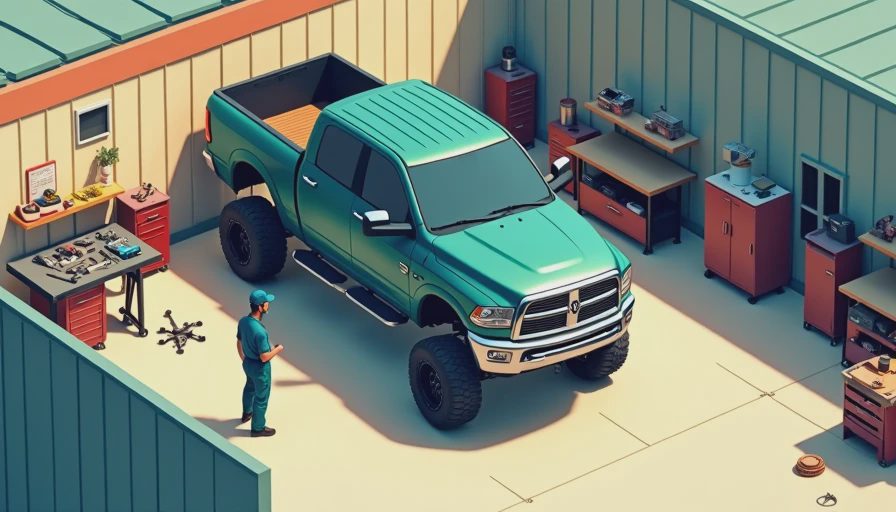
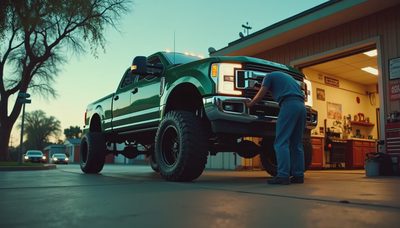
Lifted trucks deserve extra attention. A suspension lift changes the angle between the stabilizer bar and the suspension. The original link can become too short, bind at full droop, or run at an angle that reduces its useful range. Extended links from companies such as JKS, RockJock, or Hellwig can solve the geometry problem when correctly matched to the lift, but a longer part is not automatically better.
How I check one in the shop
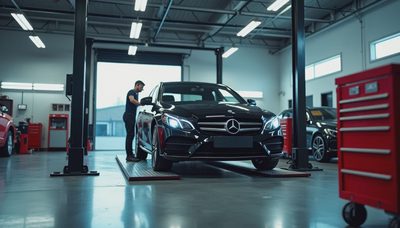
When someone asks what does a stabilizer bar link do after hearing a clunk, I do not start by ordering parts. I inspect the connection. With the vehicle safely supported, I look for torn dust boots, rust-colored grease, bent studs, missing hardware, and shiny marks where a link has been contacting another component.
Then I check for play. A helper can move the vehicle slightly while I watch the link, but a hands-on inspection with the suspension loaded often tells more. I place a hand around the joint and feel for a tap while another person rocks the truck. Any distinct looseness is suspicious. On a link with rubber or polyurethane bushings, I look for crushed material, cracking, or a gap that should not be there.
I once chased a front-end knock on a lifted 4Runner for nearly an hour because the noise sounded like a loose shock mount. The shock was fine. The stabilizer link nut had lost its clamping force, and the hole in the mounting tab had started to oval out. I checked. The bolt doesn't lie.
Does a bad link affect alignment or tires?
Usually, a worn stabilizer bar link does not directly change wheel alignment. It does not set toe, camber, or caster the way a tie rod, control arm, or ball joint can. That is why replacing a link alone generally does not require an alignment.
There is an important exception in the real world: a severely damaged link, loose mounting bracket, or collision-related suspension problem can affect how the vehicle behaves and may occur alongside alignment damage. If the steering wheel is crooked, the truck pulls, or the tires are wearing on one edge, inspect the larger suspension system instead of blaming the link.
A loose link can still make tires feel less secure on broken pavement because the stabilizer system is no longer controlling side-to-side movement properly. It usually will not destroy a tire overnight, but ignoring a loud clunk for months is how a small repair becomes a collection of worn parts.
Replacement cost and choosing the right part
For many common trucks and SUVs, a pair of replacement links costs roughly $30 to $150, depending on design and brand. Labor commonly adds about $100 to $300 for an axle, although seized hardware in a snowbelt truck can change that quickly. At my Colorado shop, rust and access determine the bill more often than the link itself.
Moog, Mevotech, OEM Toyota, Ford, and Jeep parts can all be reasonable choices, but the correct application matters more than a flashy box. Compare the original length, stud orientation, thread size, and joint style. On a lifted vehicle, use a link designed for the actual suspension height and travel. Do not guess based only on tire size.
Replace links in pairs when both have similar mileage and wear. If one has failed at 120,000 miles, the other has lived through the same potholes and winters. While the job is apart, inspect the stabilizer-bar bushings and mounting brackets. A new link will not silence a bar that is sliding inside worn bushings.
A practical driveway checklist
Start with the noise. Note whether it happens over one-wheel bumps, driveway entrances, or during cornering. That pattern helps separate a link from a shock, control arm, or steering component.
Next, compare both sides. Look at link angle, boot condition, missing washers, and the amount of exposed thread. Do not crawl under a vehicle supported only by a jack. Use properly rated jack stands on solid ground, and keep your hands away from pinch points while someone moves the suspension.
During installation, support the vehicle as the manufacturer’s procedure requires and use a torque wrench on the fasteners. Some links must be tightened at ride height so the bushing is not preloaded. Others use a ball-stud design that requires holding the stud while tightening the nut. Follow the service information for your exact model rather than copying a random forum number.
Afterward, drive slowly over the same type of bump that produced the noise. Recheck the hardware after a short drive if the manufacturer specifies it. If the clunk remains, stop throwing parts at the truck and inspect the shock mounts, control arms, ball joints, and steering linkage.
The answer in plain English
So, what does a stabilizer bar link do? It connects the stabilizer bar to the suspension and lets the bar resist body roll while the wheels move independently. When it wears out, the usual clues are clunks, looseness, and less controlled handling over uneven pavement.
It is a modest repair, but the diagnosis needs to be honest. A link will not fix a bad alignment, a failing ball joint, or a death wobble by itself. Find the loose connection, verify the part length and hardware, torque it correctly, and then test the result. The bolt doesn't lie.

No letters yet — pray write the first.